Triceratops Occipital Condyle
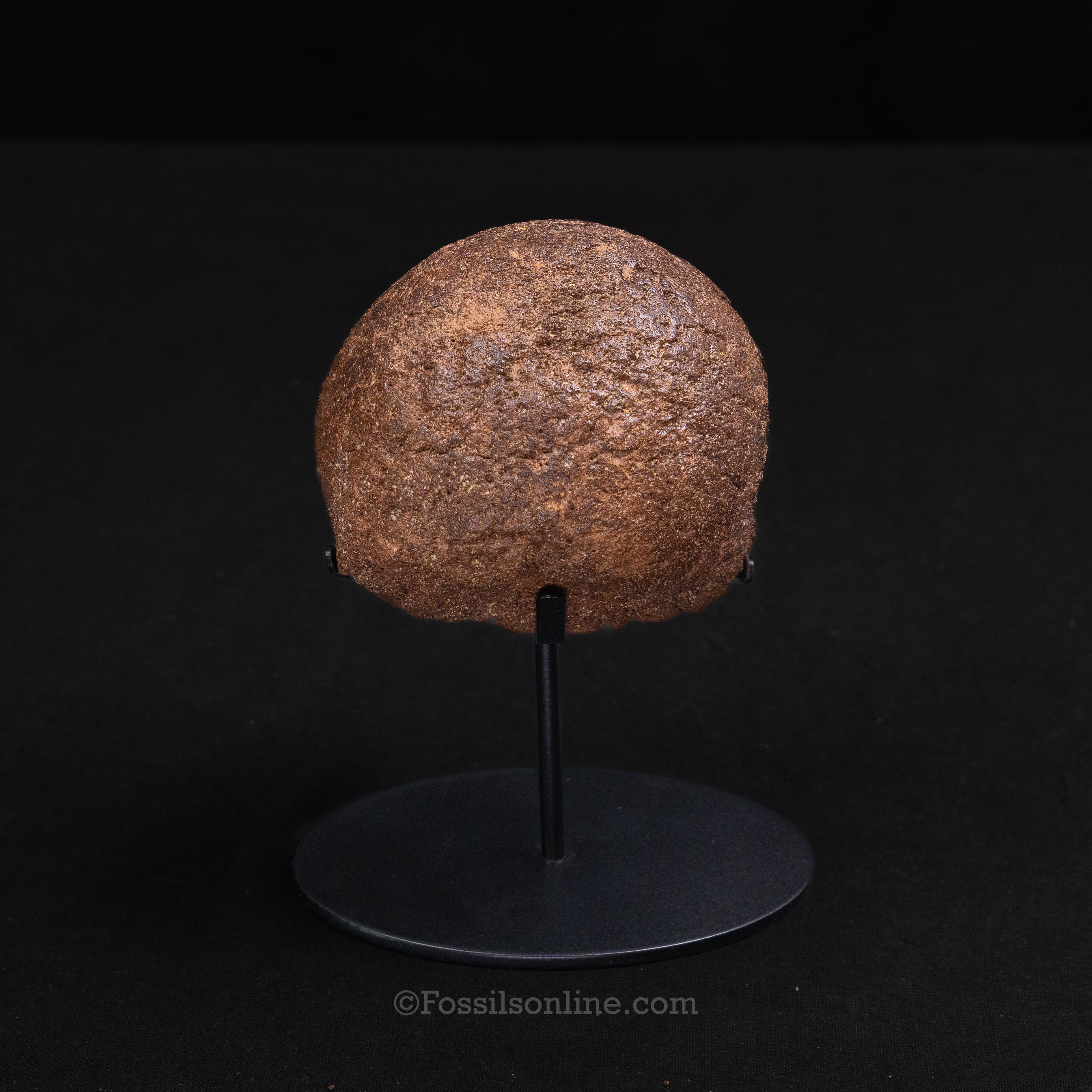
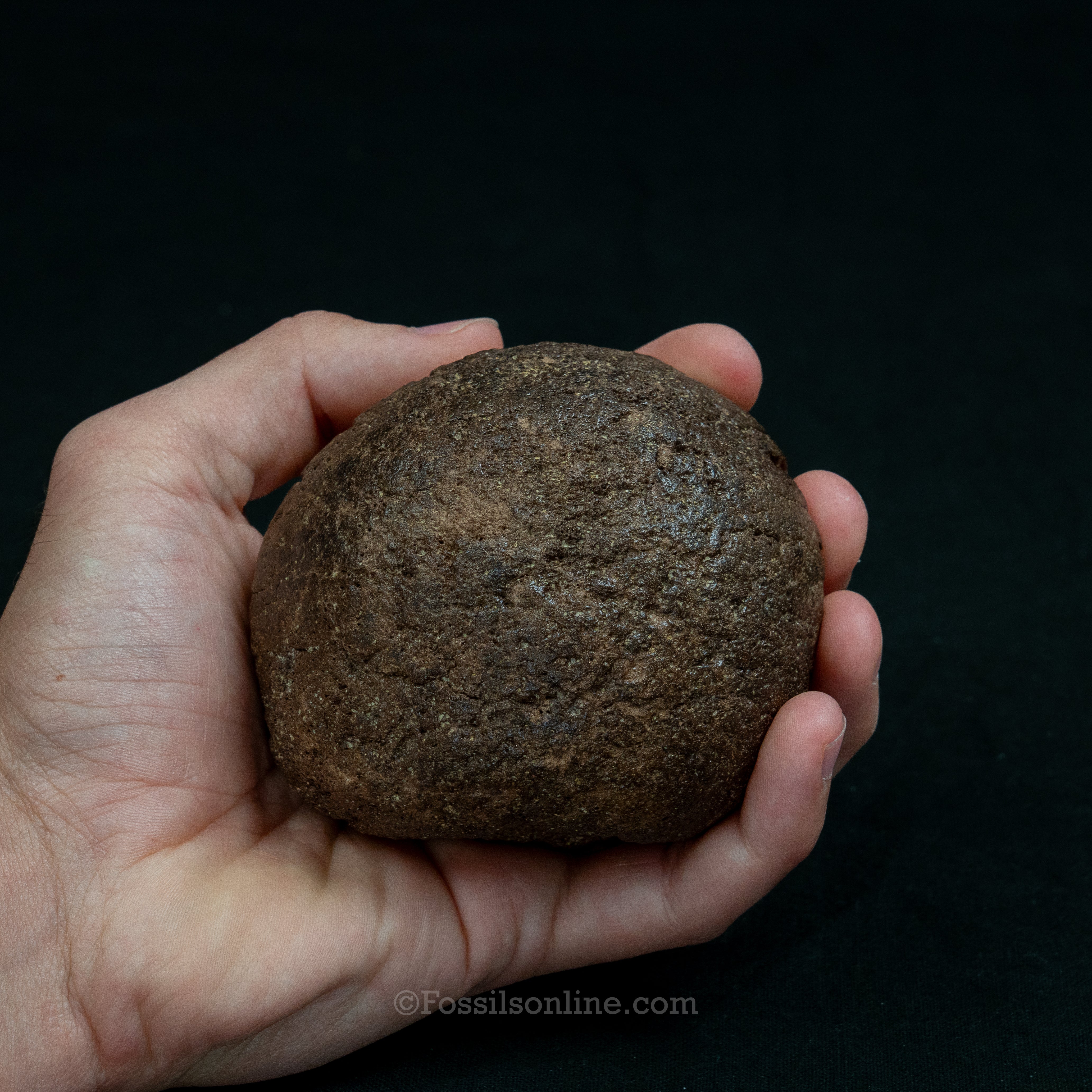
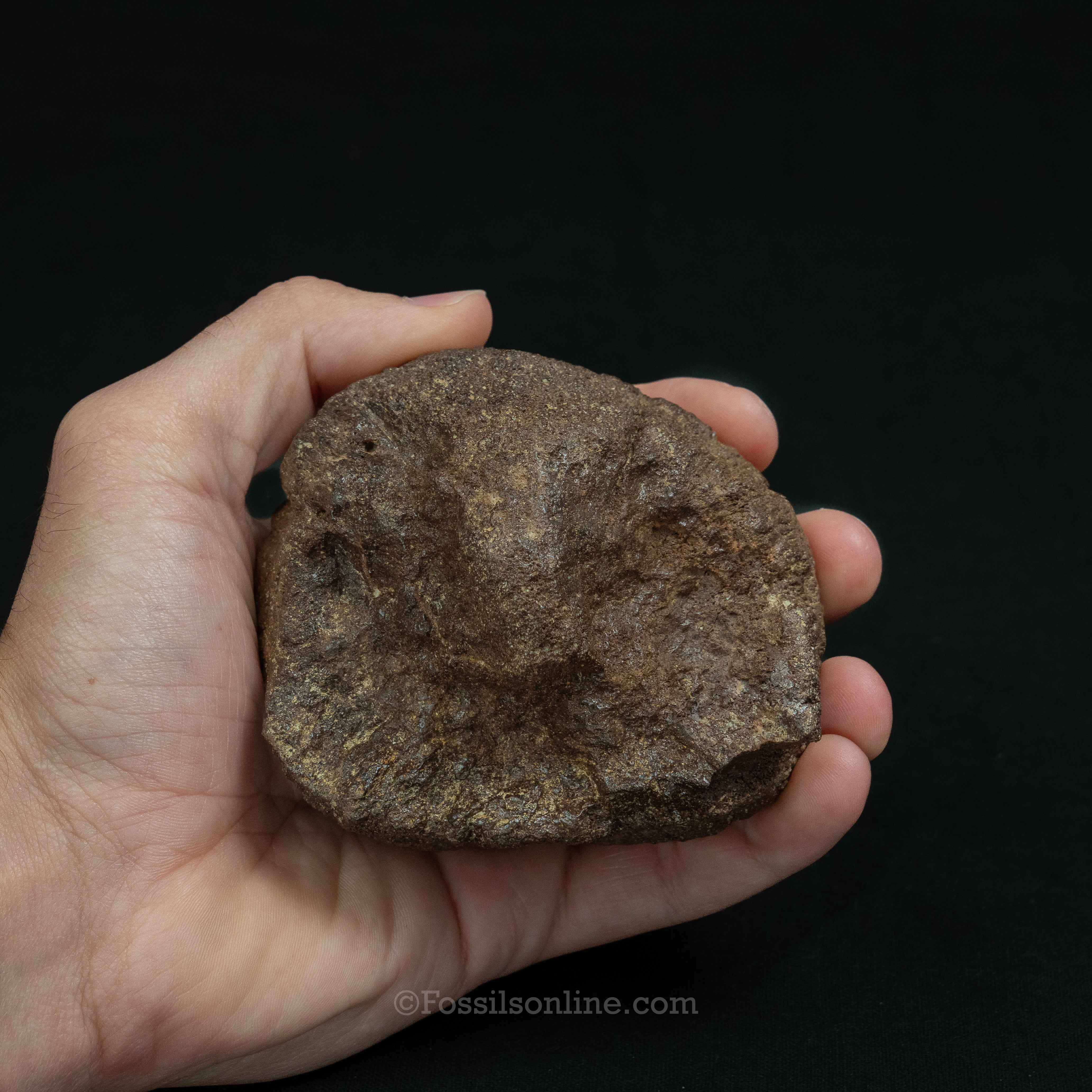
The occipital condyle is a large ball-shaped joint at the back of the skull where the neck vertebrae attached the triceratops' massive head to its body, with strong muscles adding additional strength and allowing head movement.
Display stand included
The occipital condyle is a large ball-shaped joint at the back of the skull where the neck vertebrae attached the triceratops' massive head to its body, with strong muscles adding additional strength and allowing head movement.
Display stand included
AGE
Cretaceous
LOCATION
Wyoming
FORMATION
Lance
Size
Occipital measures 3.5"x3"
Choose options
Triceratops Occipital Condyle
Sale price$1.00
Regular price