Three Toed Horse Tooth in a Med Case
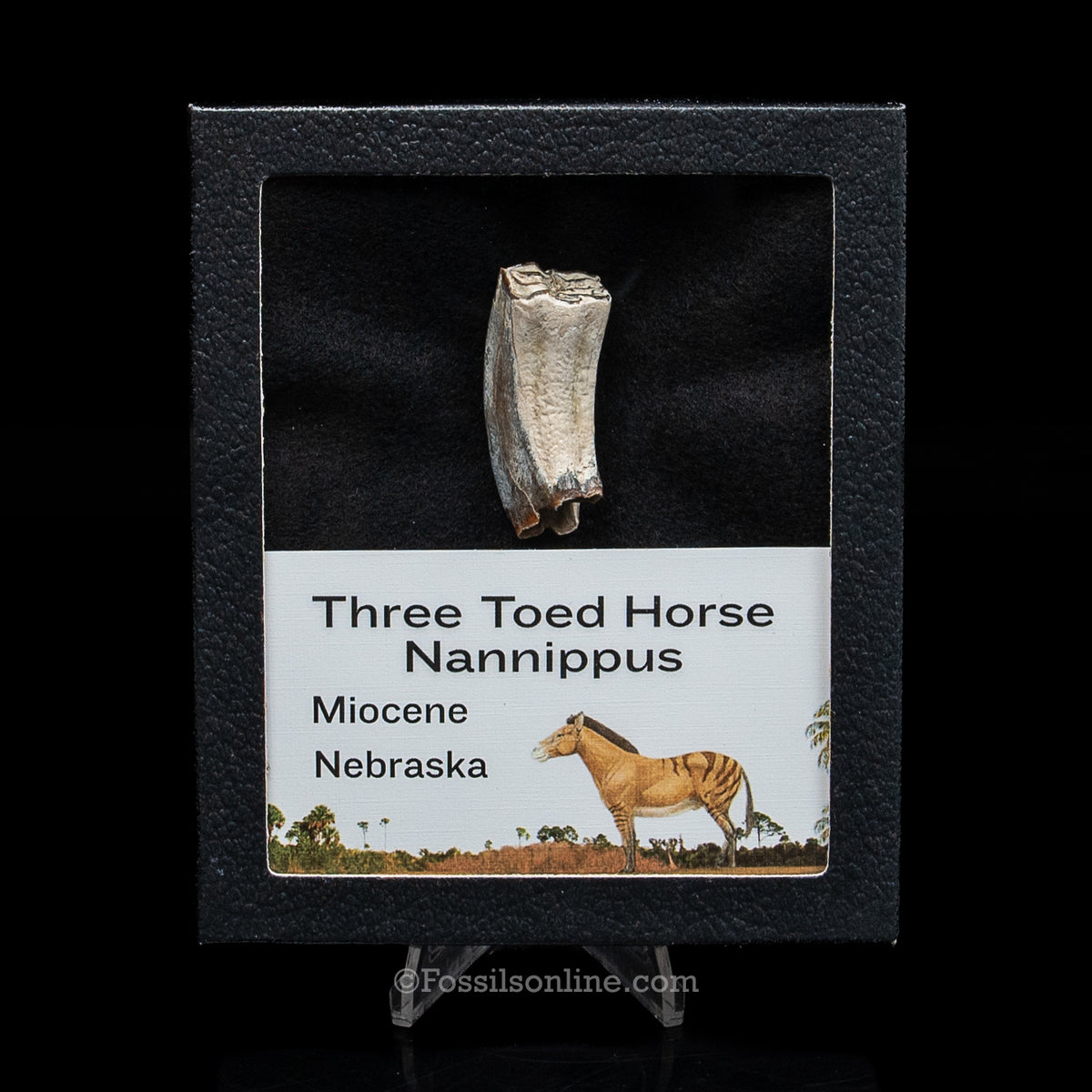
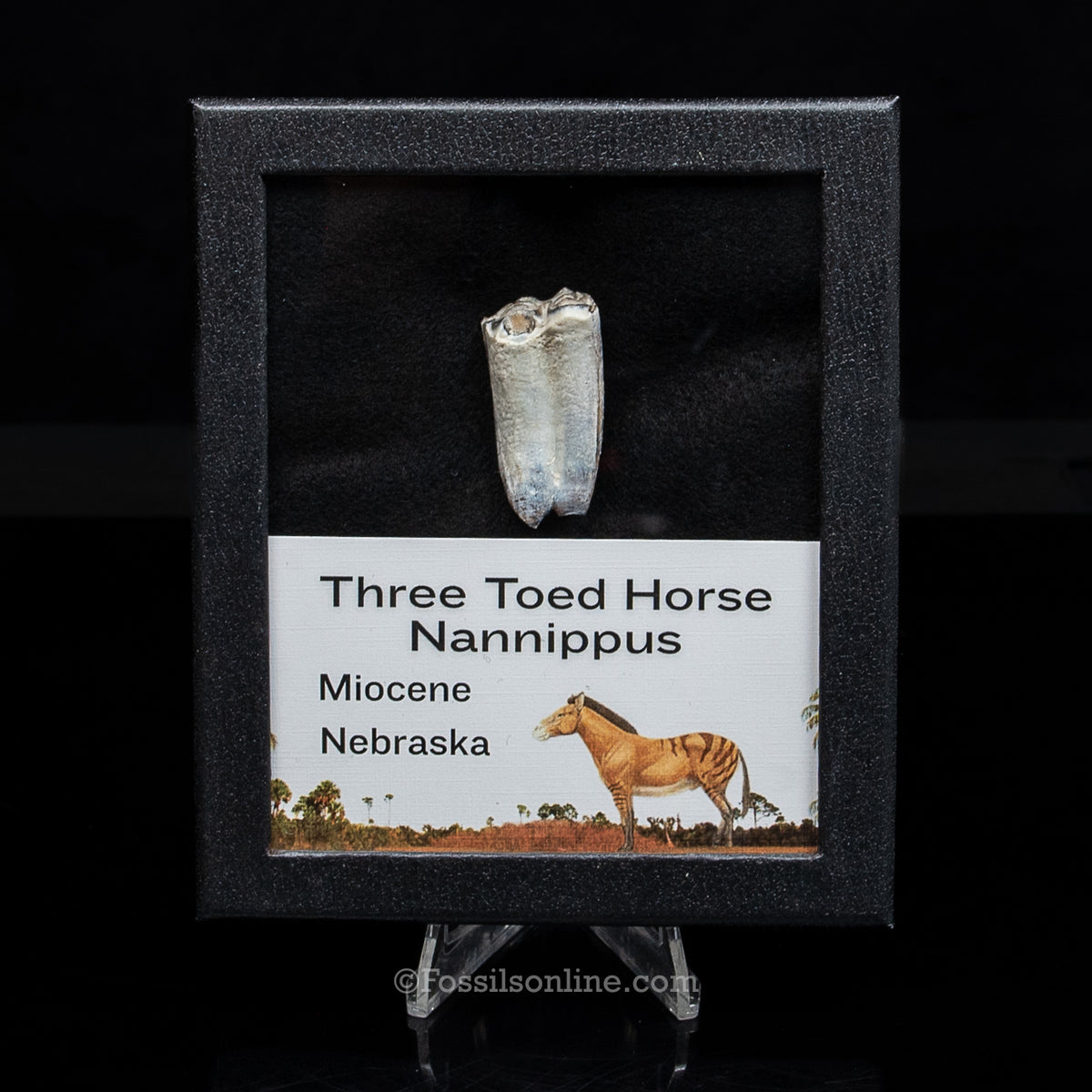
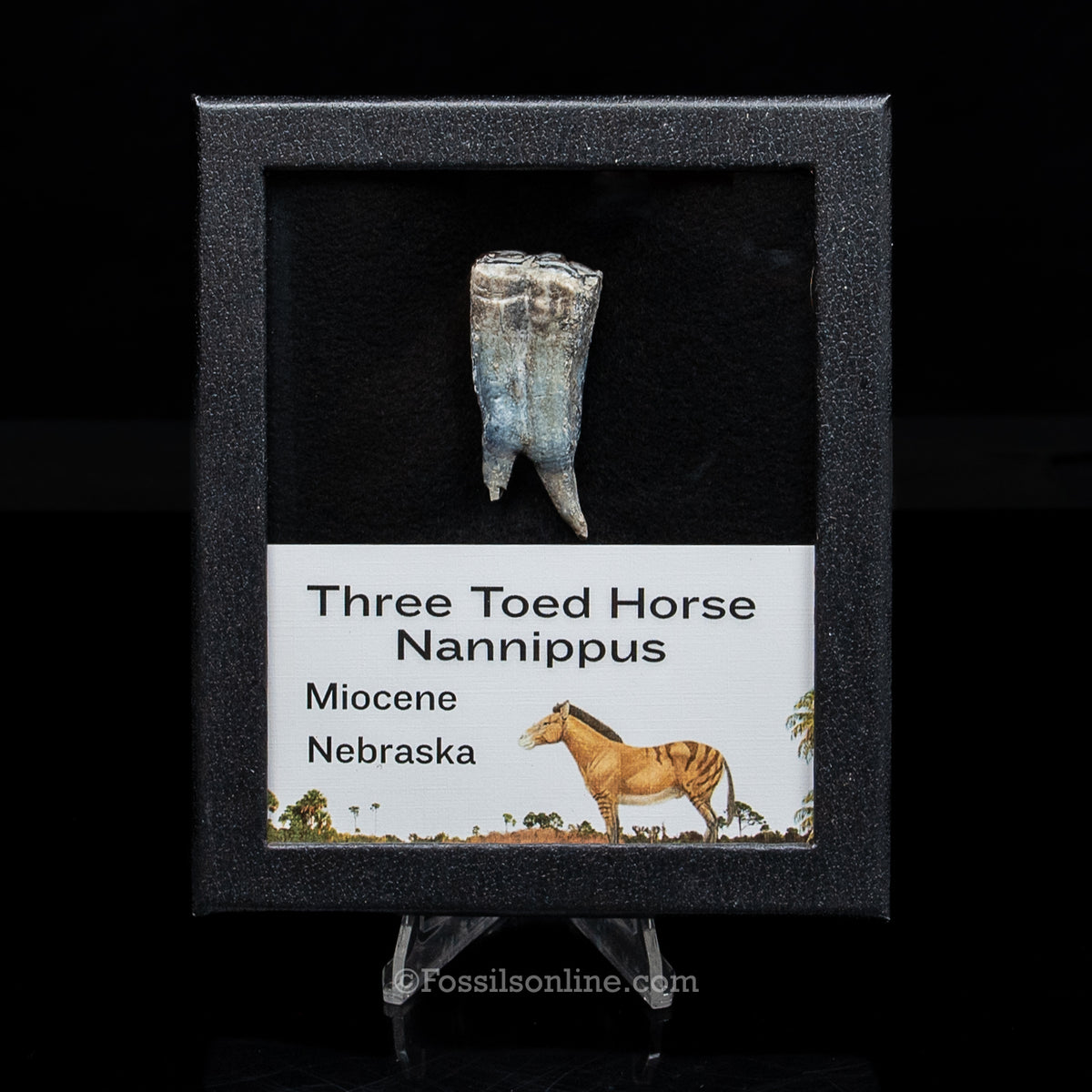
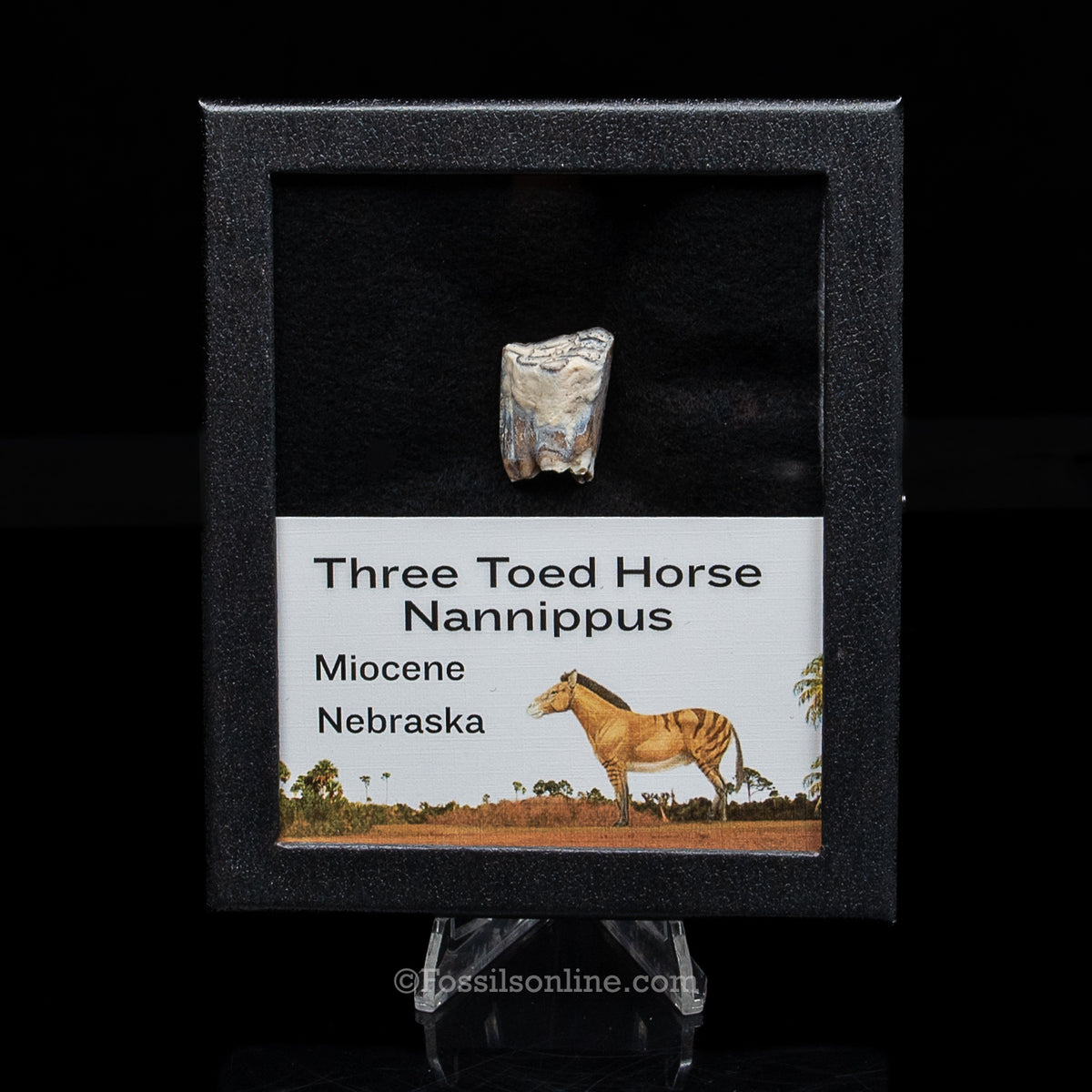
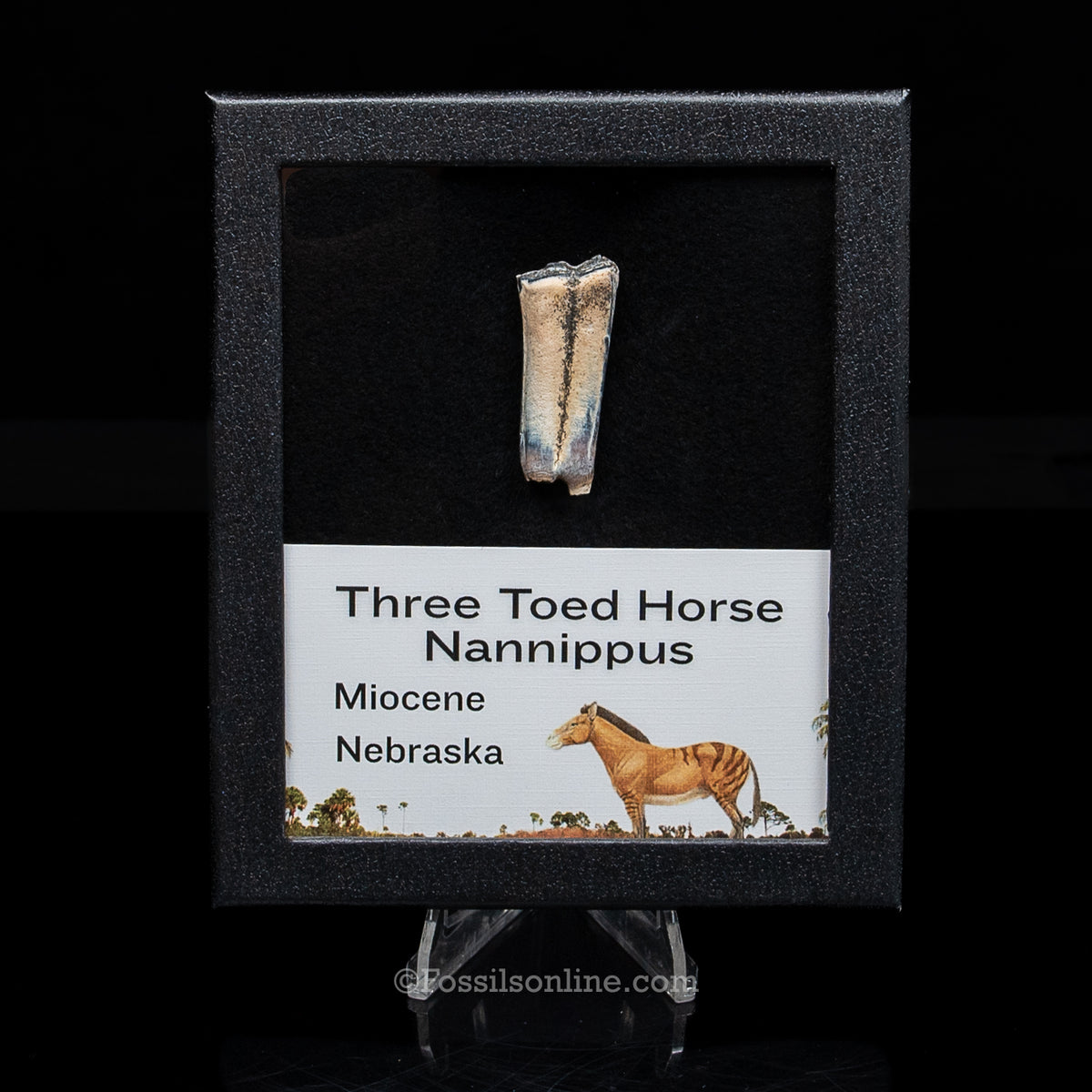
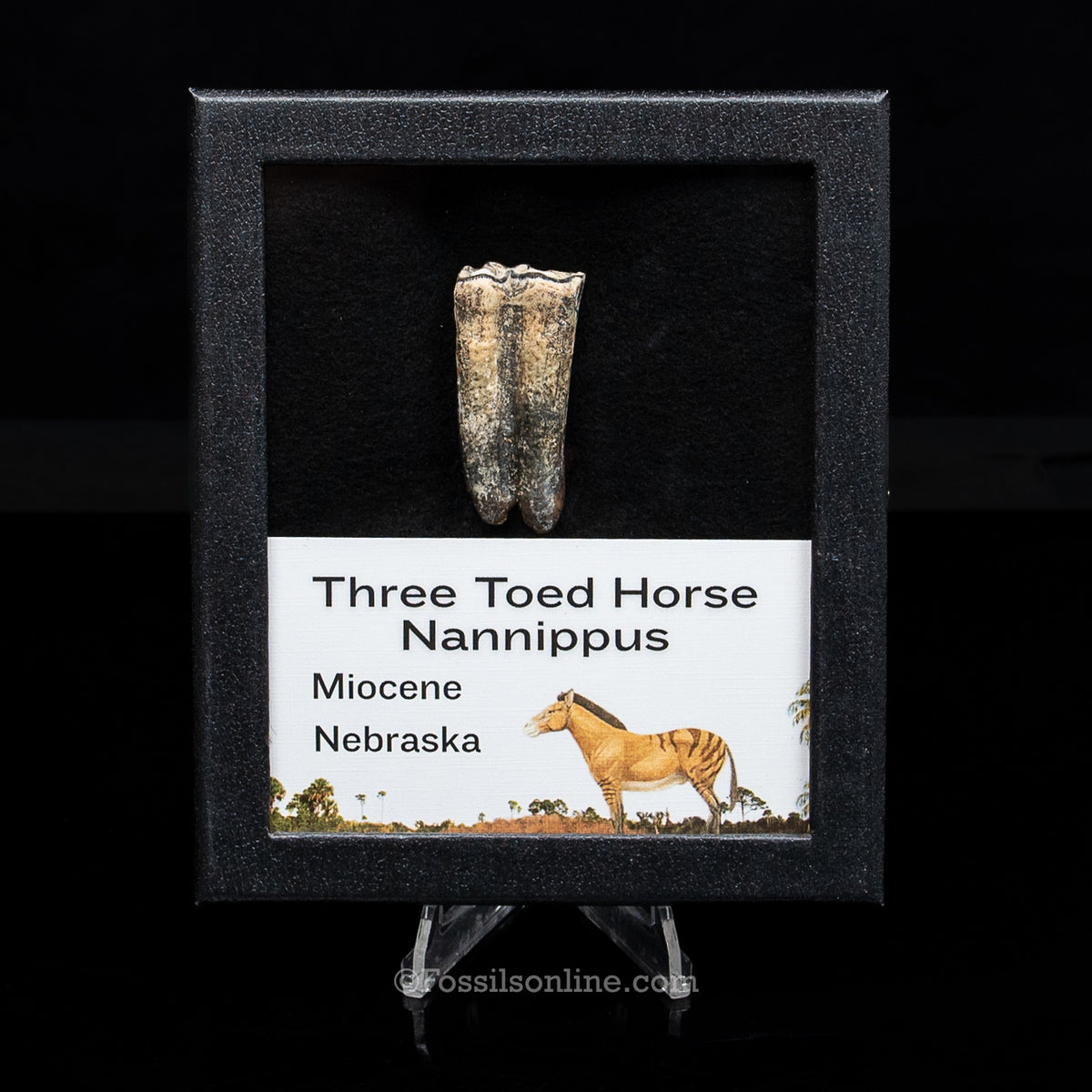
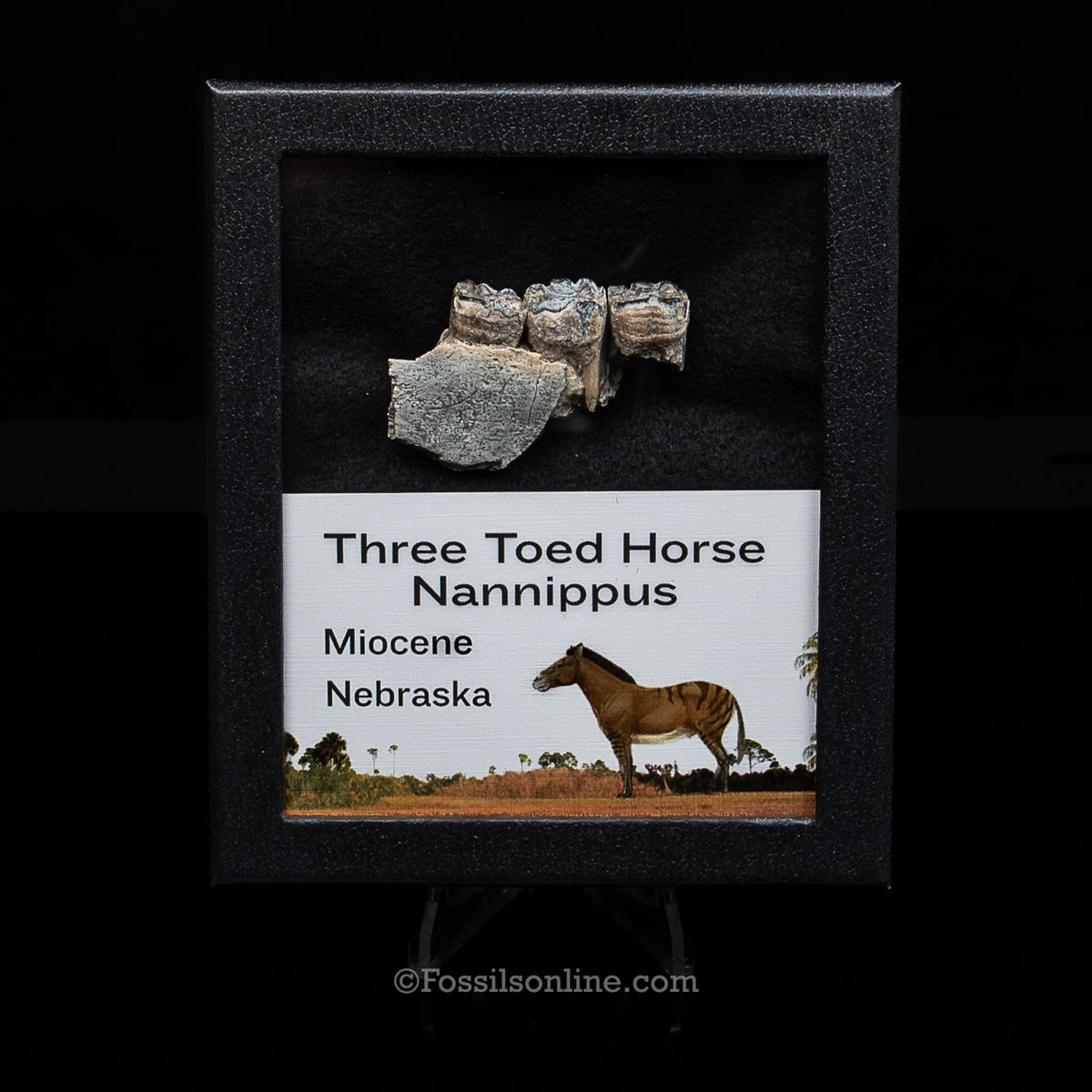
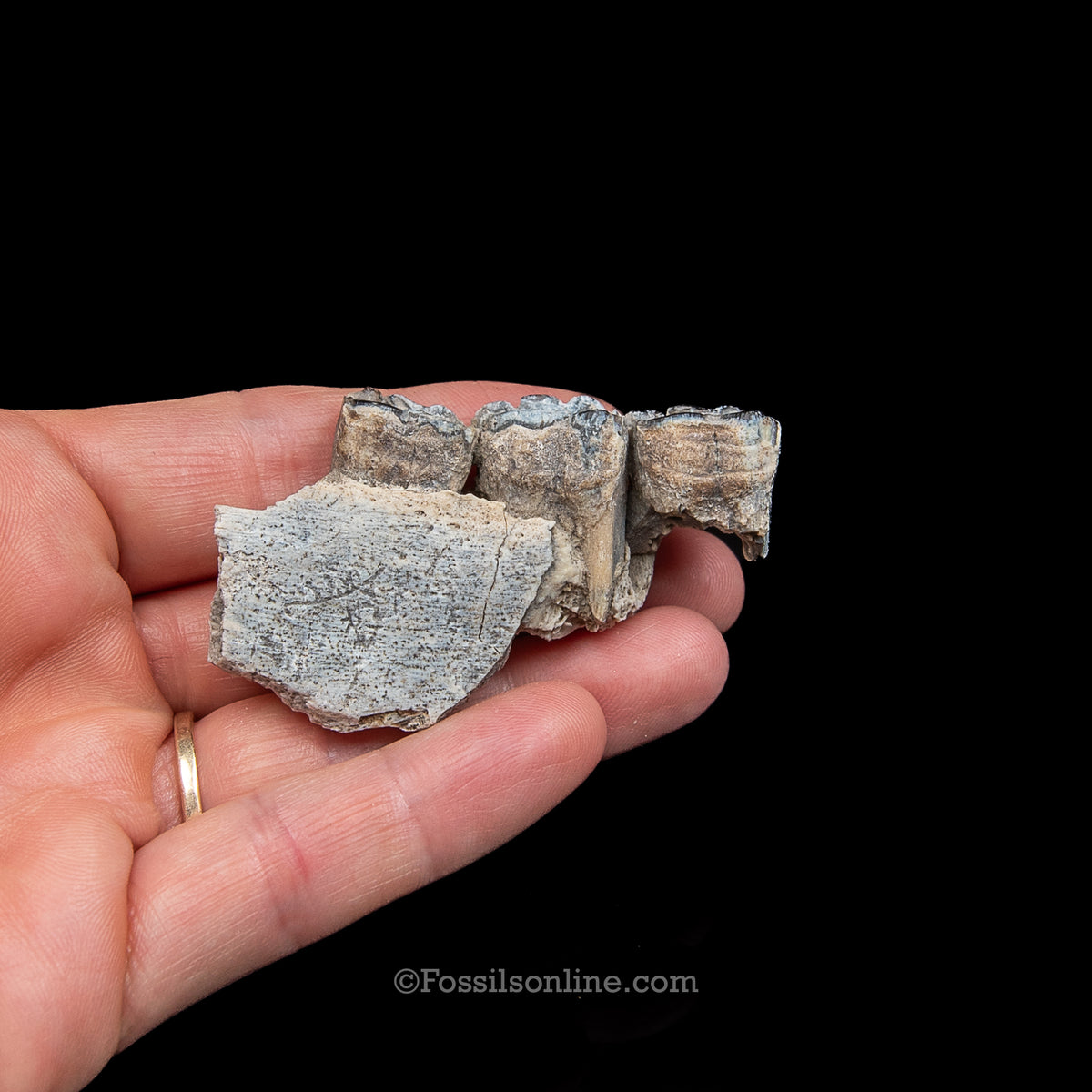
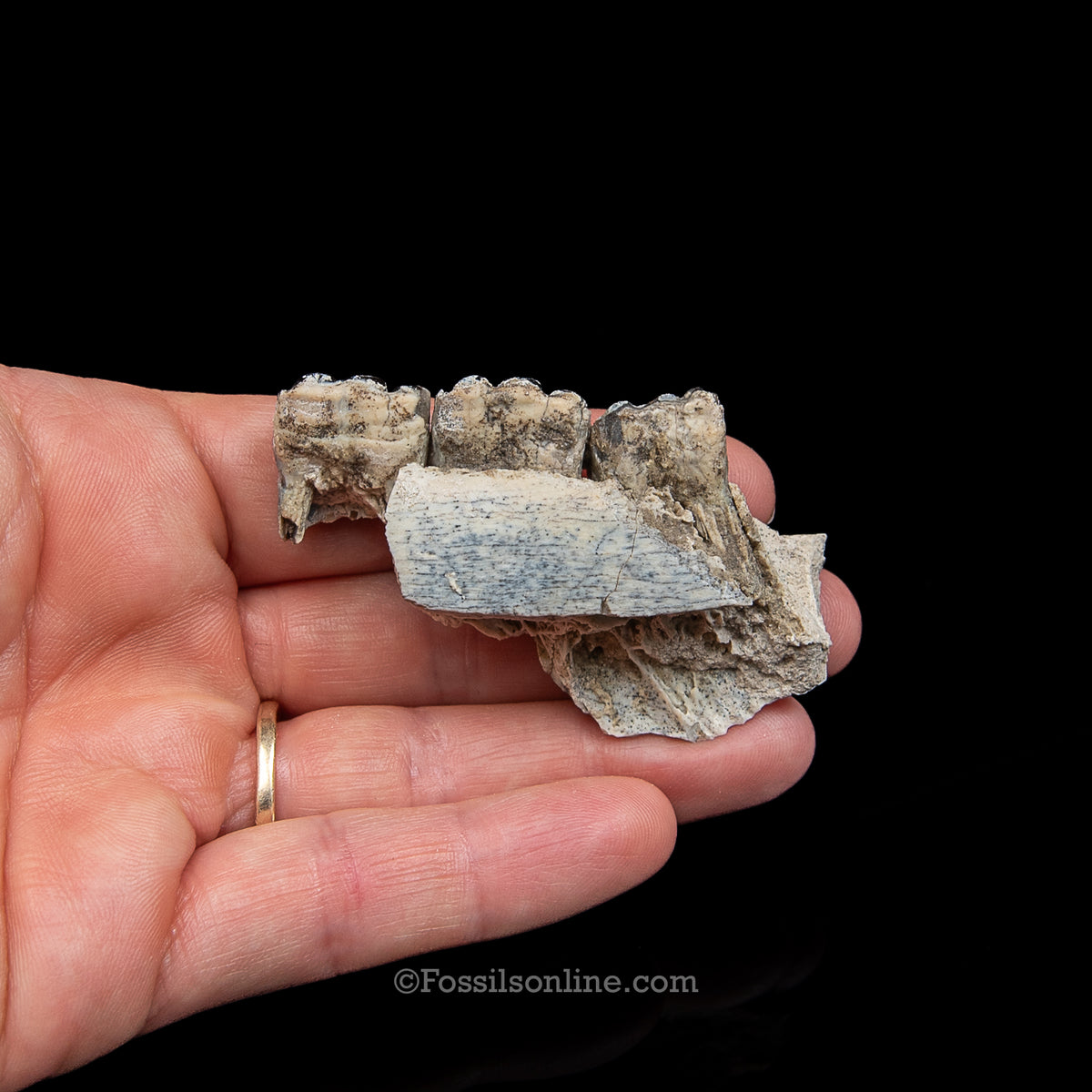
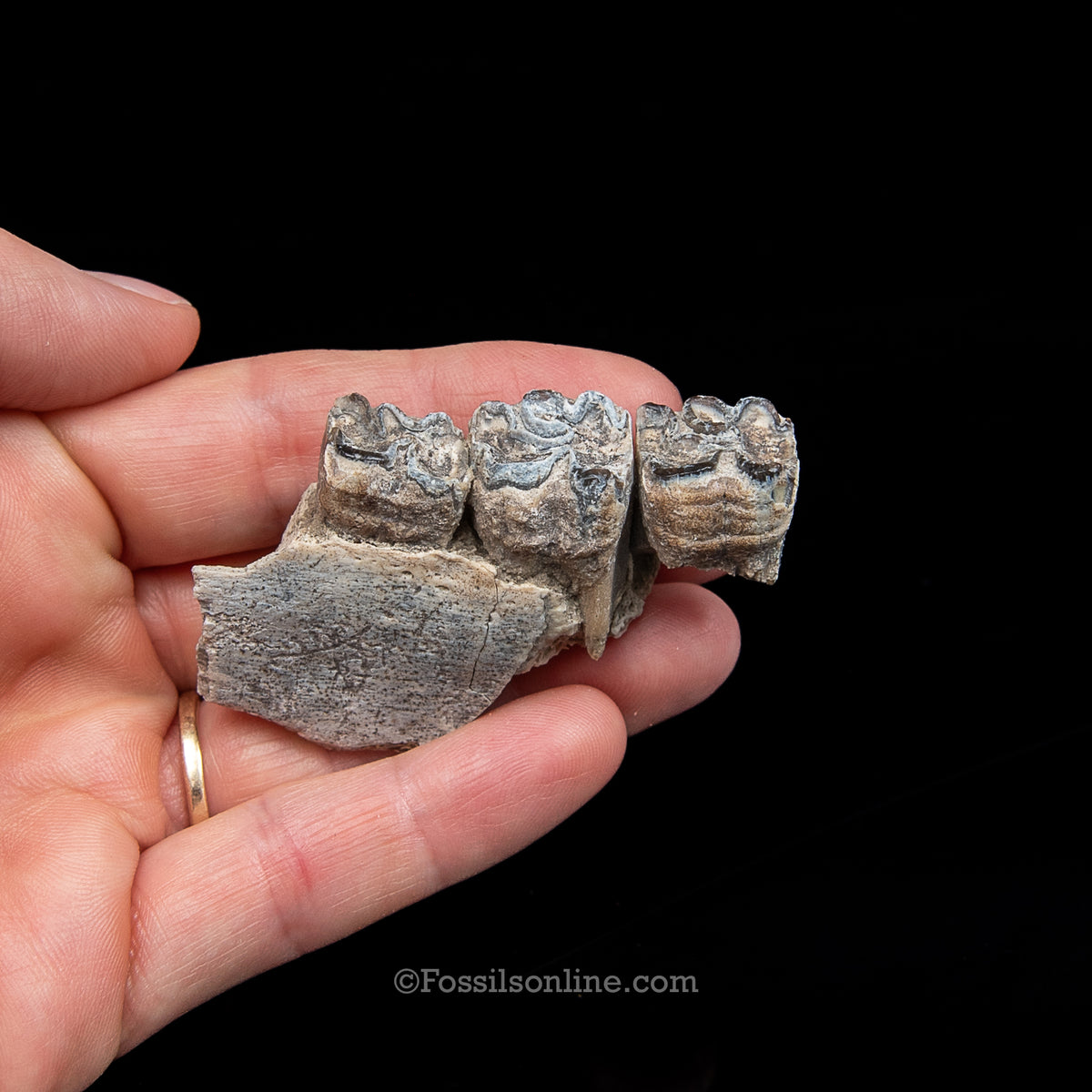
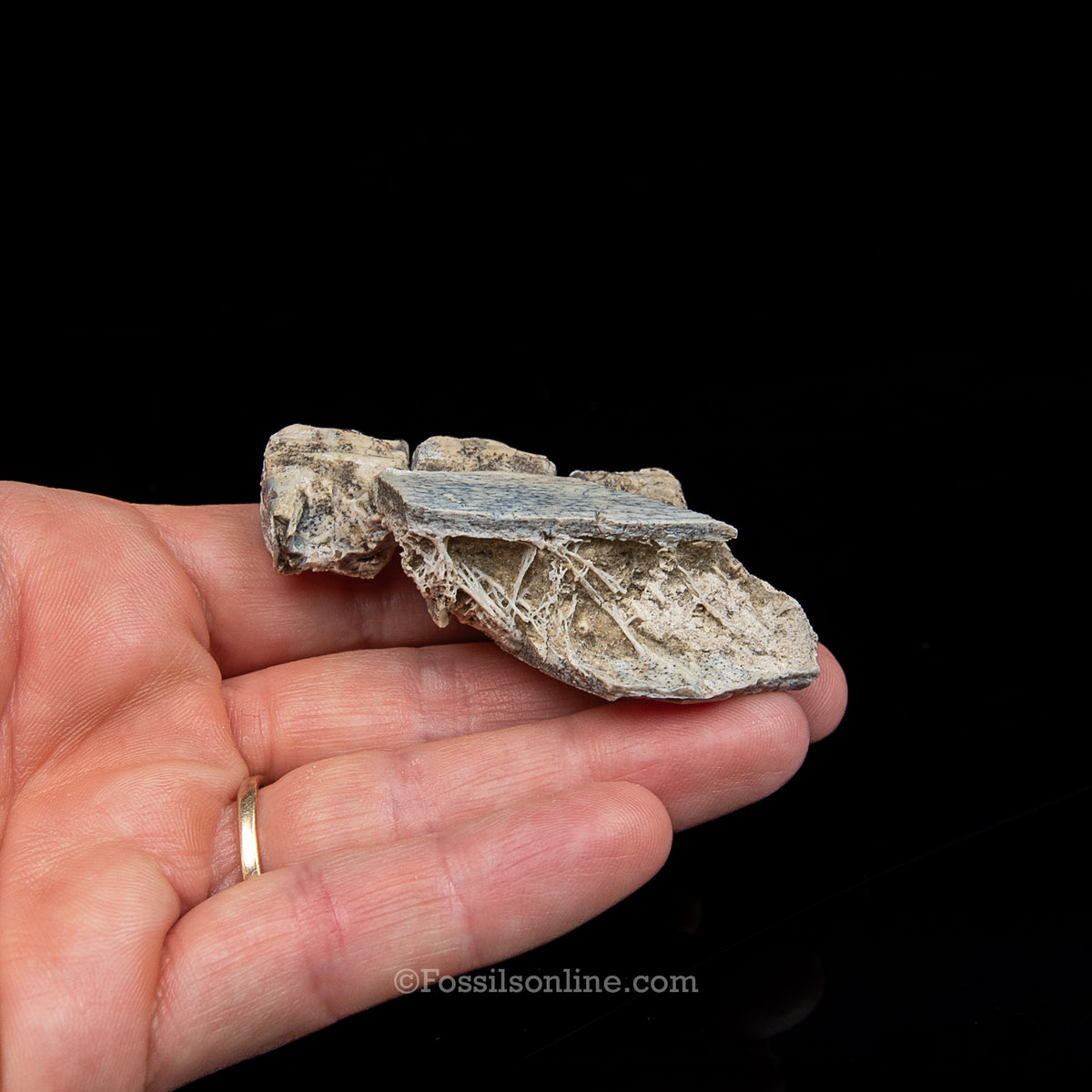
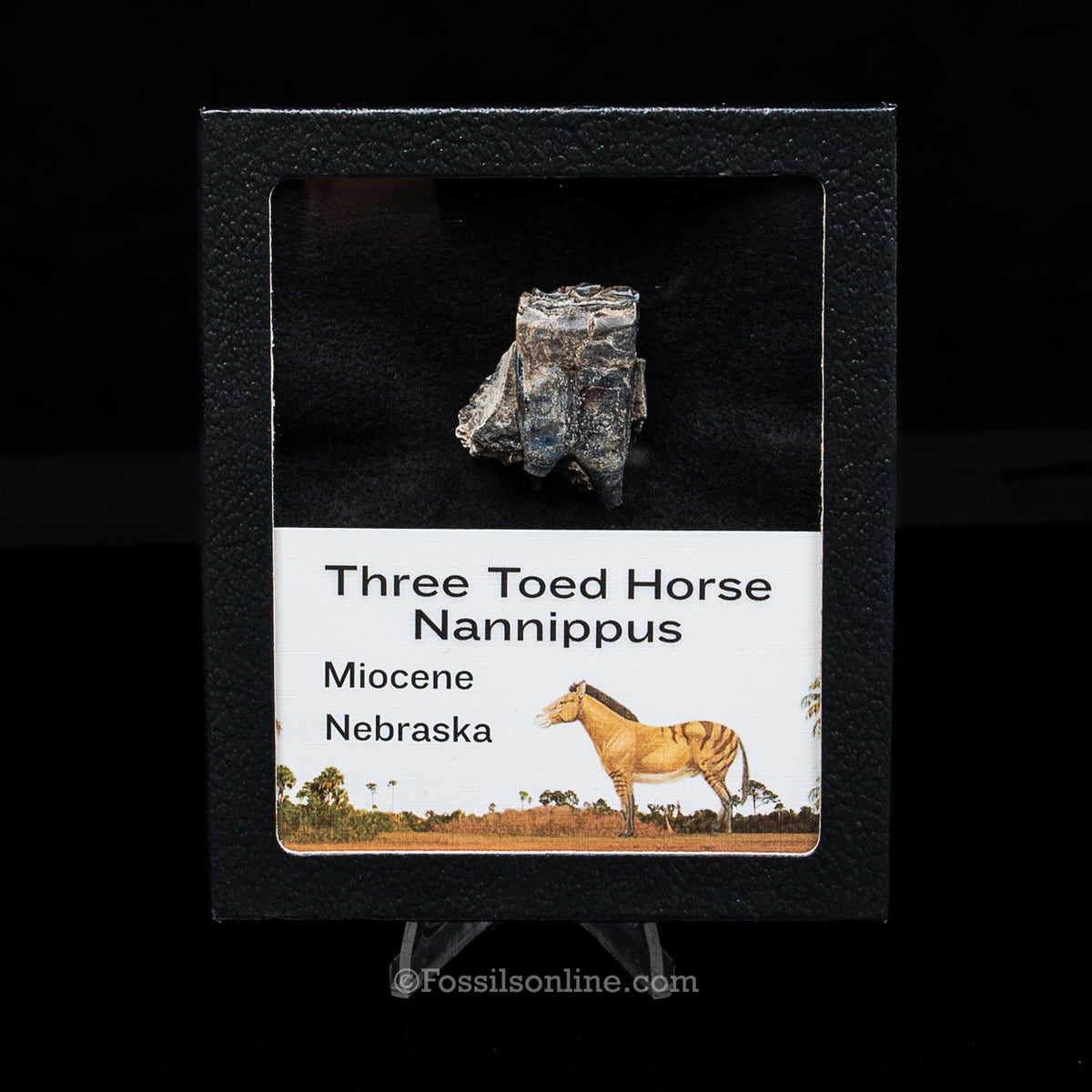
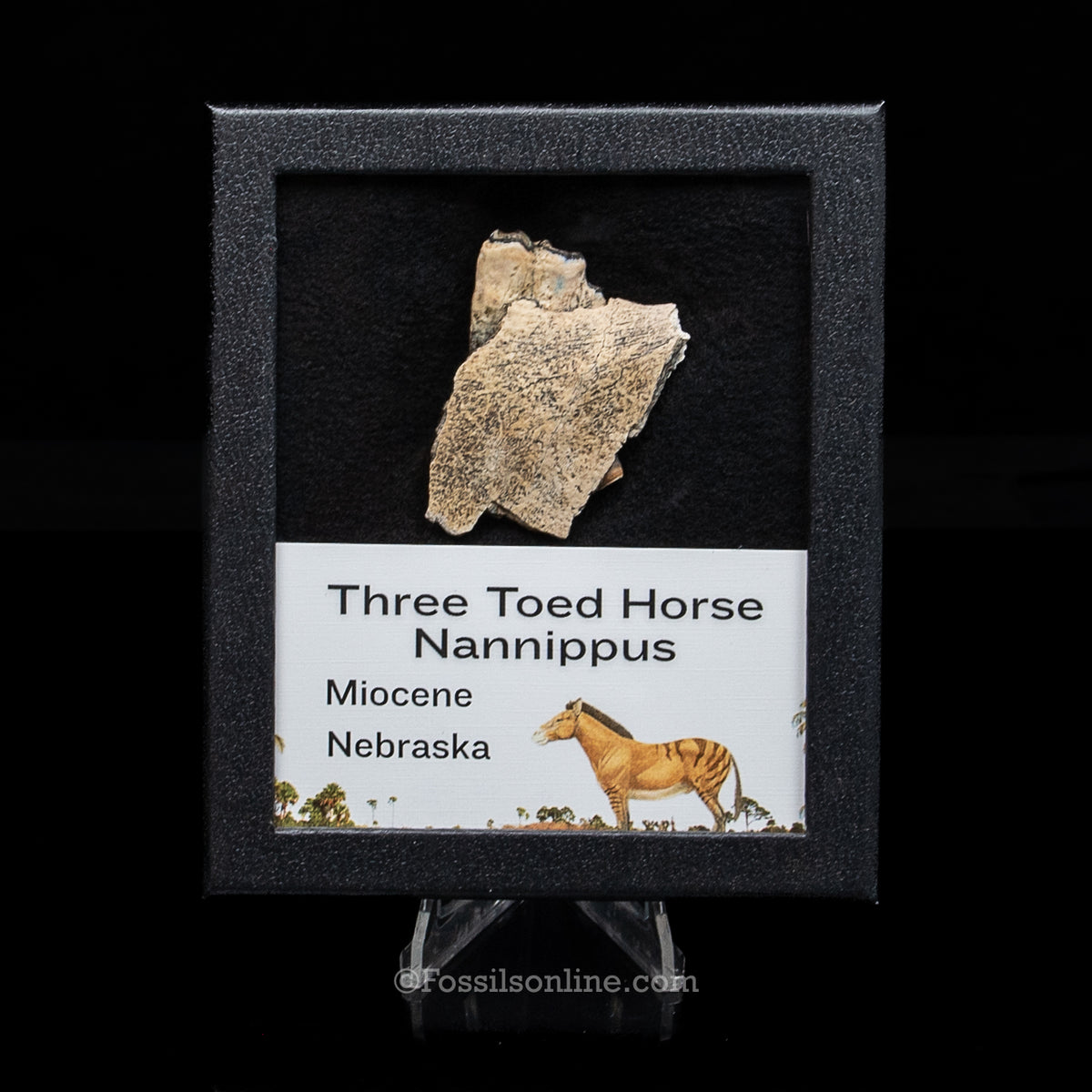
Nannippus teeth from Nebraska's Late Miocene fossil beds displayed in a medium case measuring 5"x6".
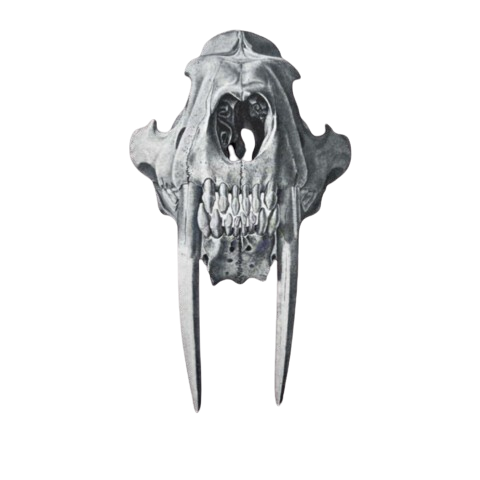
Nannippus was one of the last of the three-toed horses, a small, agile animal that grazed the grasslands of Late Miocene North America between about 10 and 5 million years ago, before the single-toed Equus we know today took over. It wasn't much bigger than a large sheep, weighing in around 75 to 90 kilograms, so speed and quickness were its main defense rather than size. Its high-crowned teeth, like the one here, tell the story of that lifestyle, worn down and shaped by a tough diet of grasses and low browse. It would have crossed paths with early camels, pronghorns, rhinos, the bone-crushing dog Epicyon, and the sabertooth-like Barbourofelis, along with other three-toed horses like Neohipparion and Cormohipparion, all part of a period when North America had more kinds of horses roaming it than at any other point in history.
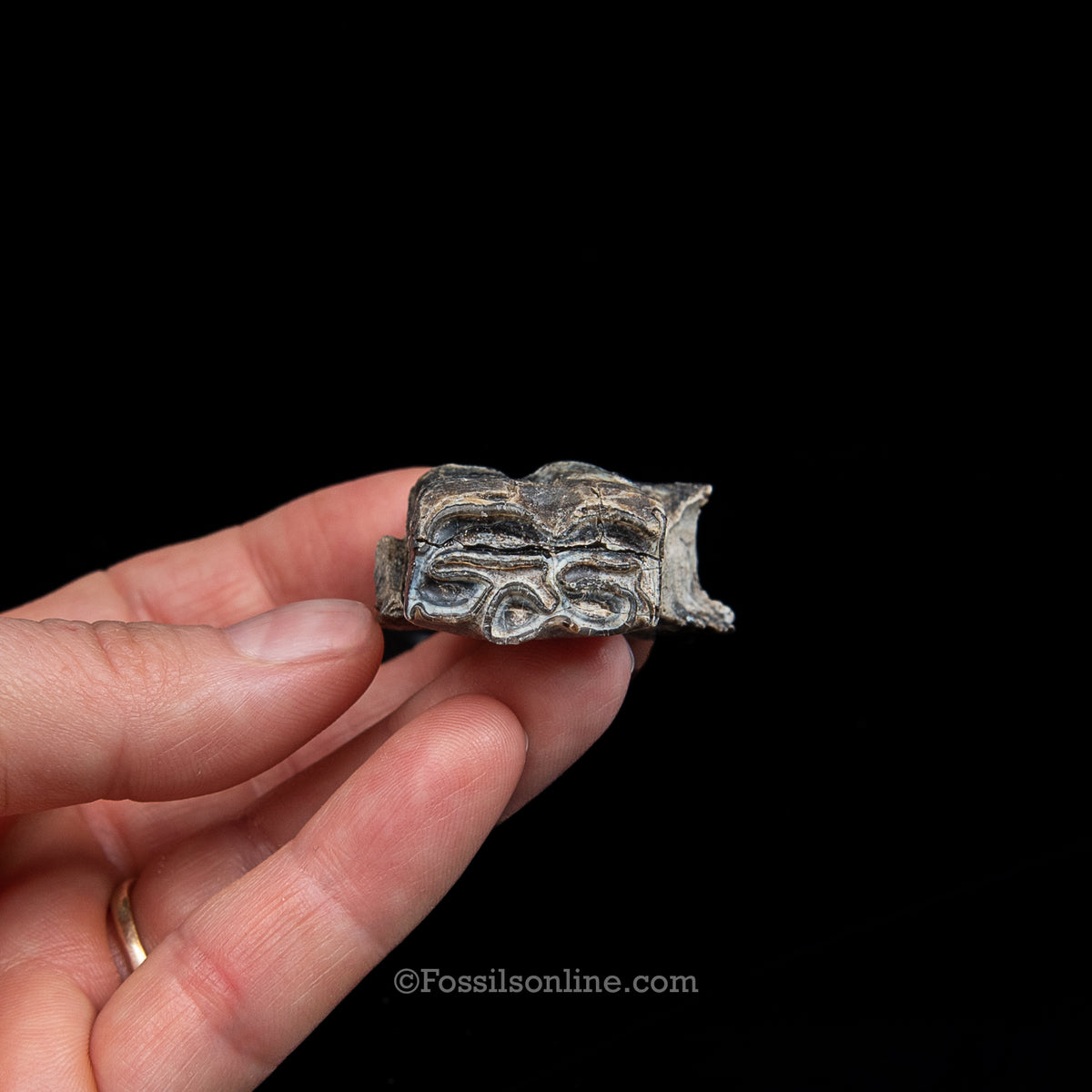
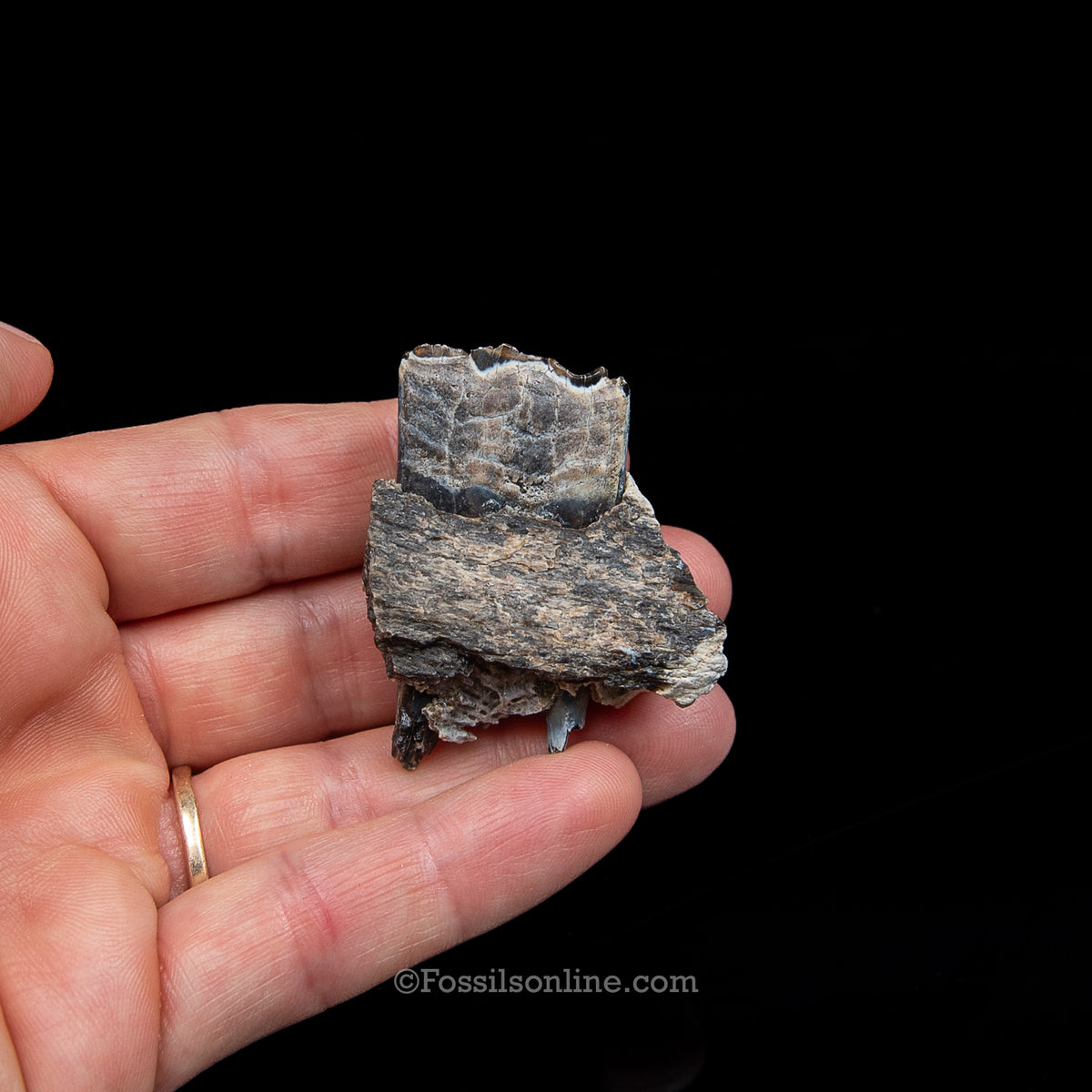
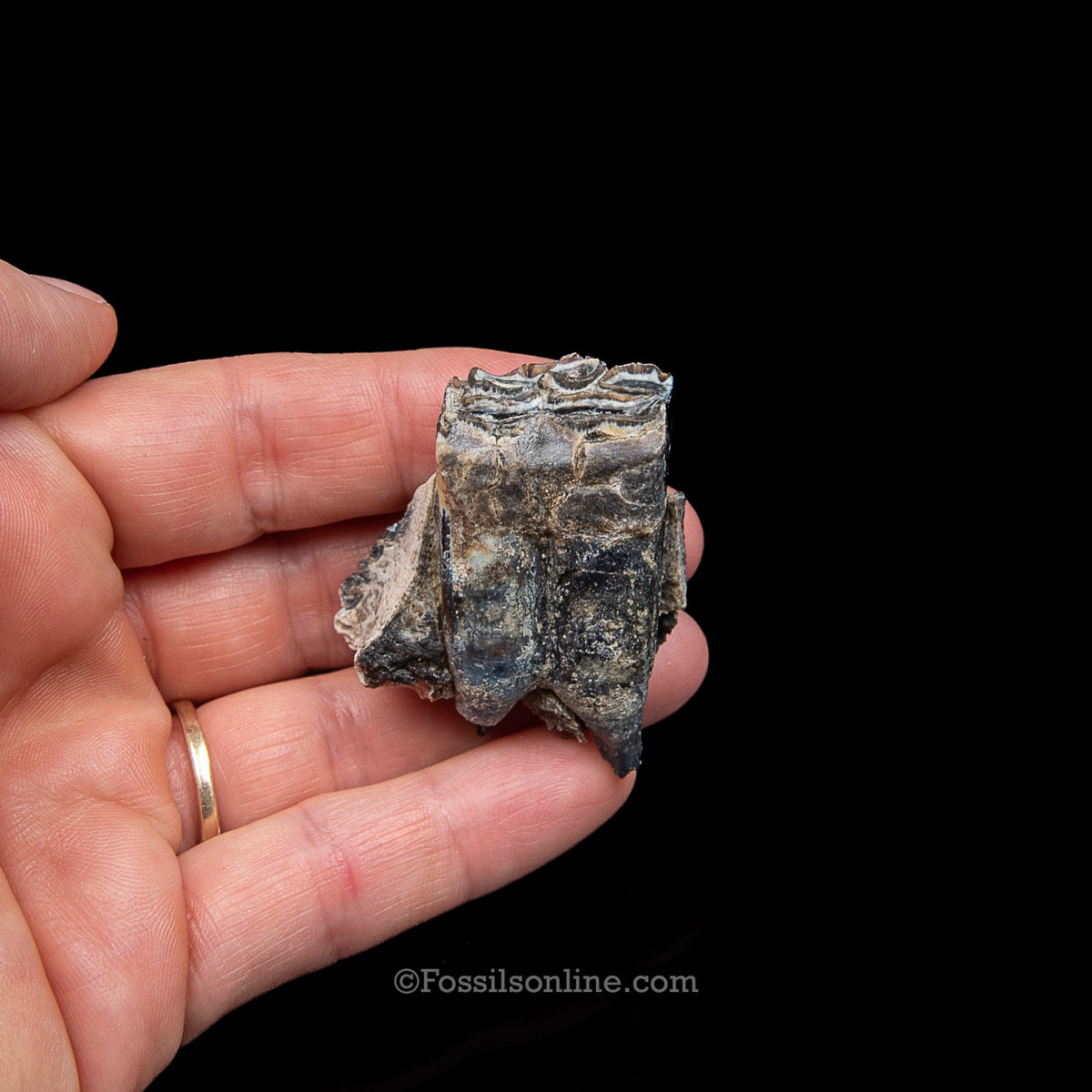
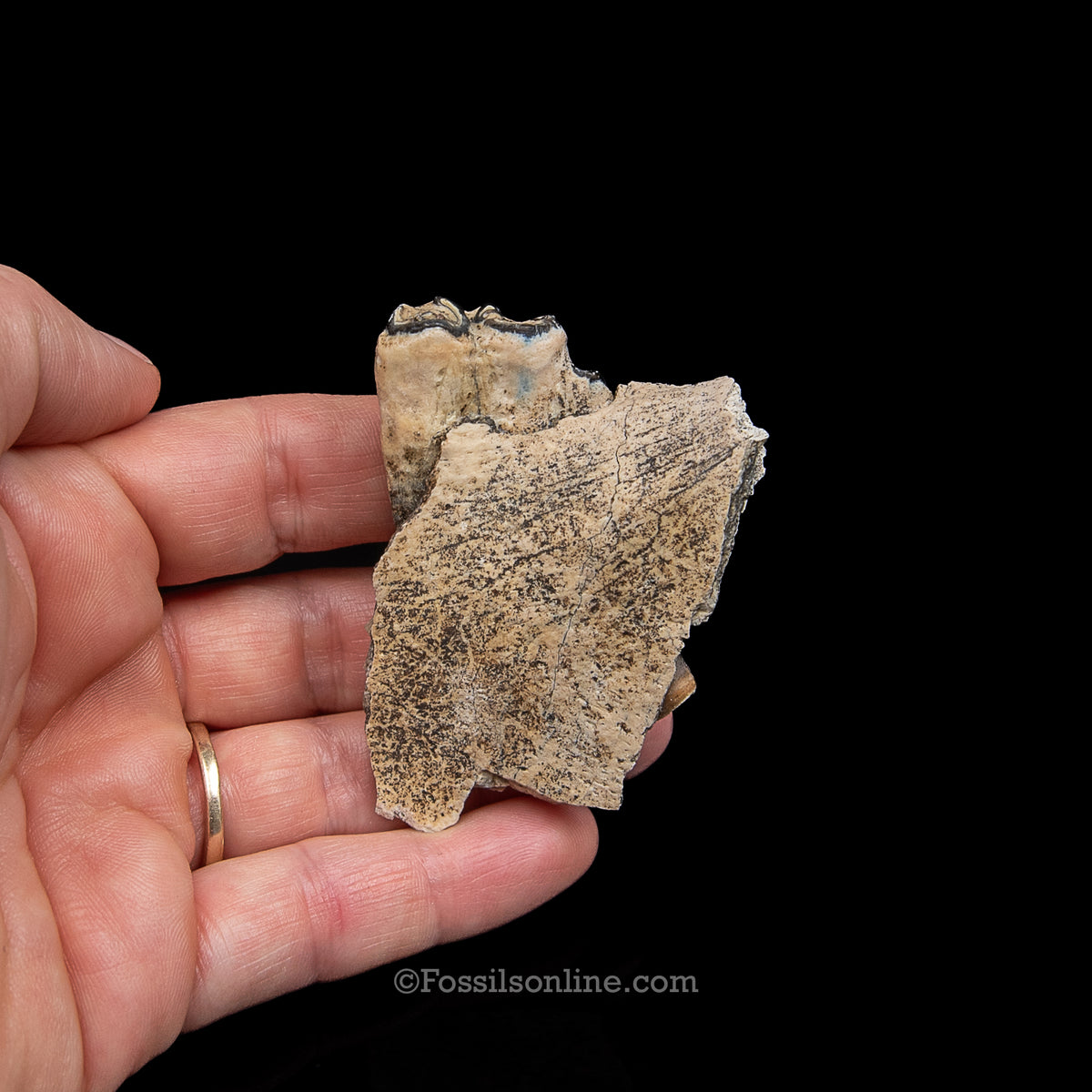
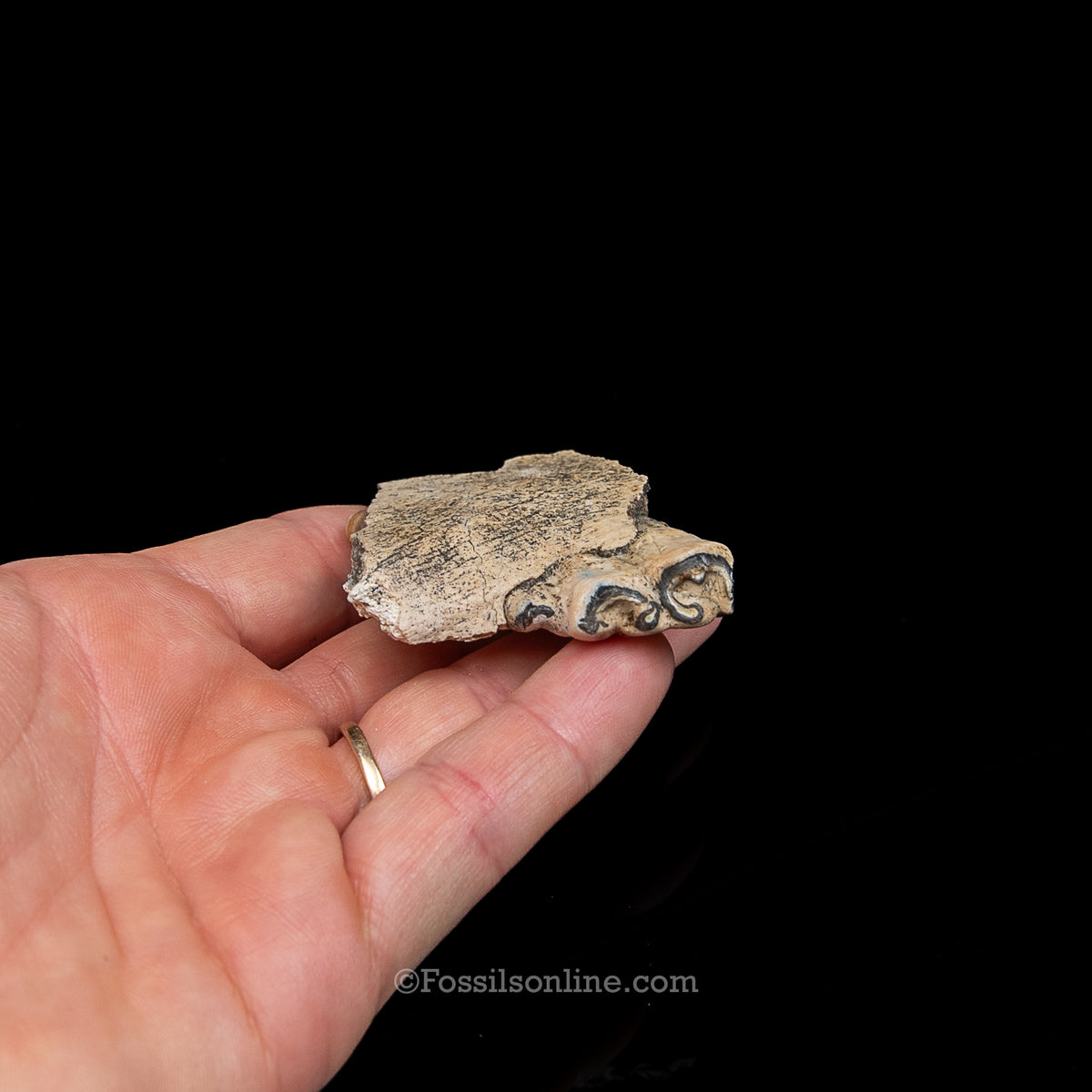
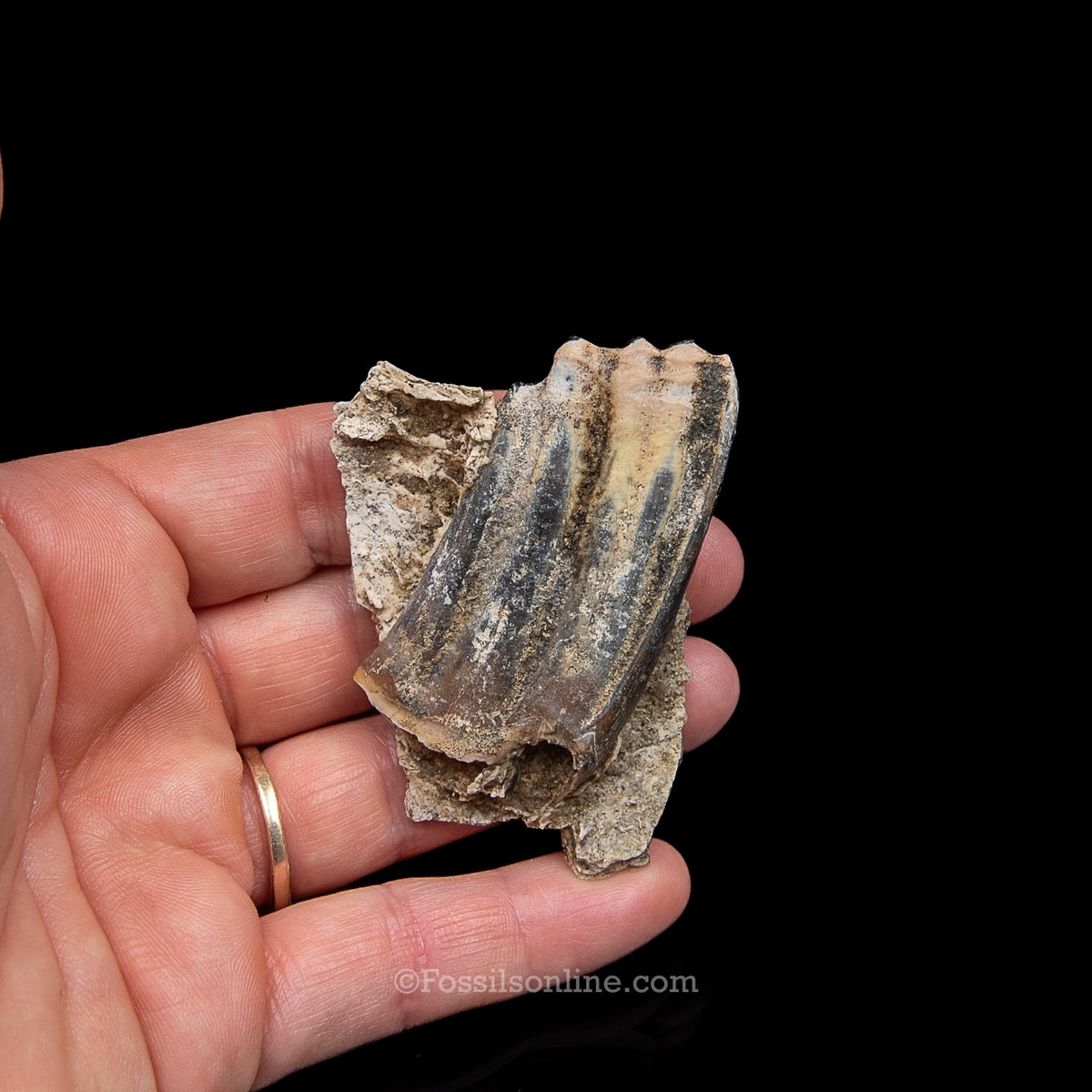
Teeth hold up remarkably well in the fossil record, and this one still carries the enamel patterns and wear that let paleontologists piece together what this animal ate and how it lived. It's a small piece, but it's a genuine window into a wildly different version of North America, and a solid addition to any Miocene collection.
Nannippus teeth from Nebraska's Late Miocene fossil beds displayed in a medium case measuring 5"x6".
Nannippus was one of the last of the three-toed horses, a small, agile animal that grazed the grasslands of Late Miocene North America between about 10 and 5 million years ago, before the single-toed Equus we know today took over. It wasn't much bigger than a large sheep, weighing in around 75 to 90 kilograms, so speed and quickness were its main defense rather than size. Its high-crowned teeth, like the one here, tell the story of that lifestyle, worn down and shaped by a tough diet of grasses and low browse. It would have crossed paths with early camels, pronghorns, rhinos, the bone-crushing dog Epicyon, and the sabertooth-like Barbourofelis, along with other three-toed horses like Neohipparion and Cormohipparion, all part of a period when North America had more kinds of horses roaming it than at any other point in history.
Teeth hold up remarkably well in the fossil record, and this one still carries the enamel patterns and wear that let paleontologists piece together what this animal ate and how it lived. It's a small piece, but it's a genuine window into a wildly different version of North America, and a solid addition to any Miocene collection.
AGE
Late Miocene
Size
1.31"
Choose options