Finest Fossil Marlin Bill Billfish Fossil Deep Sea Fish
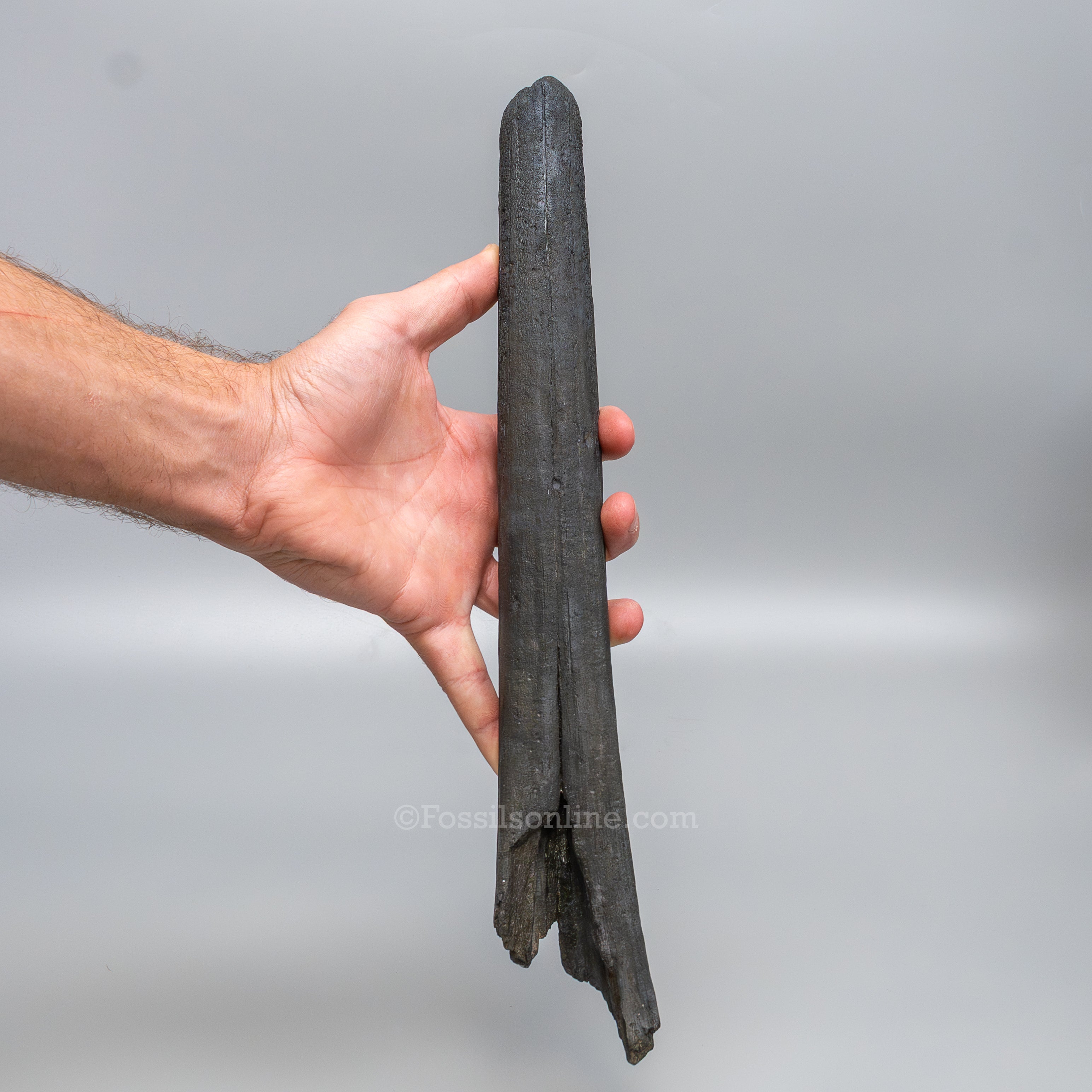
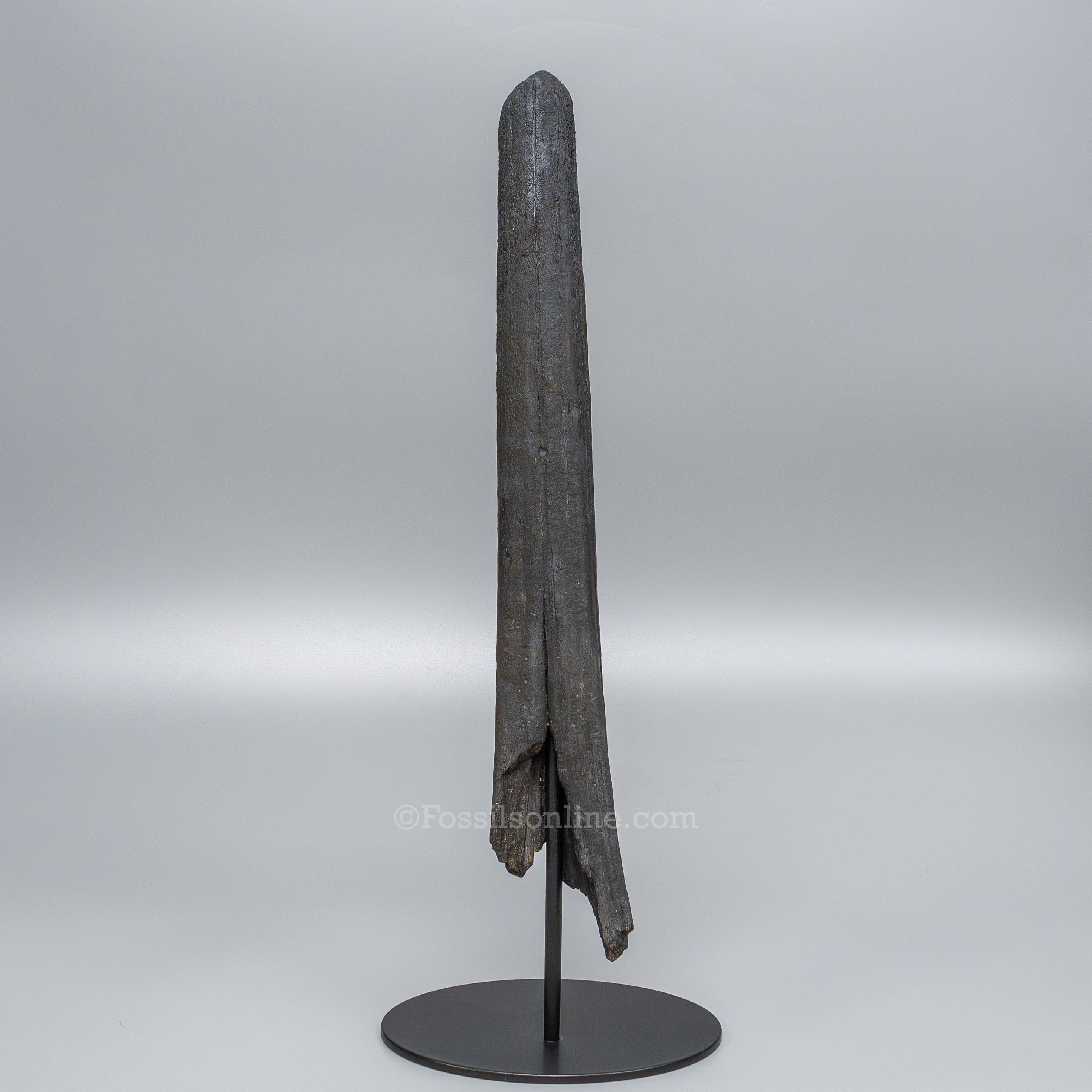
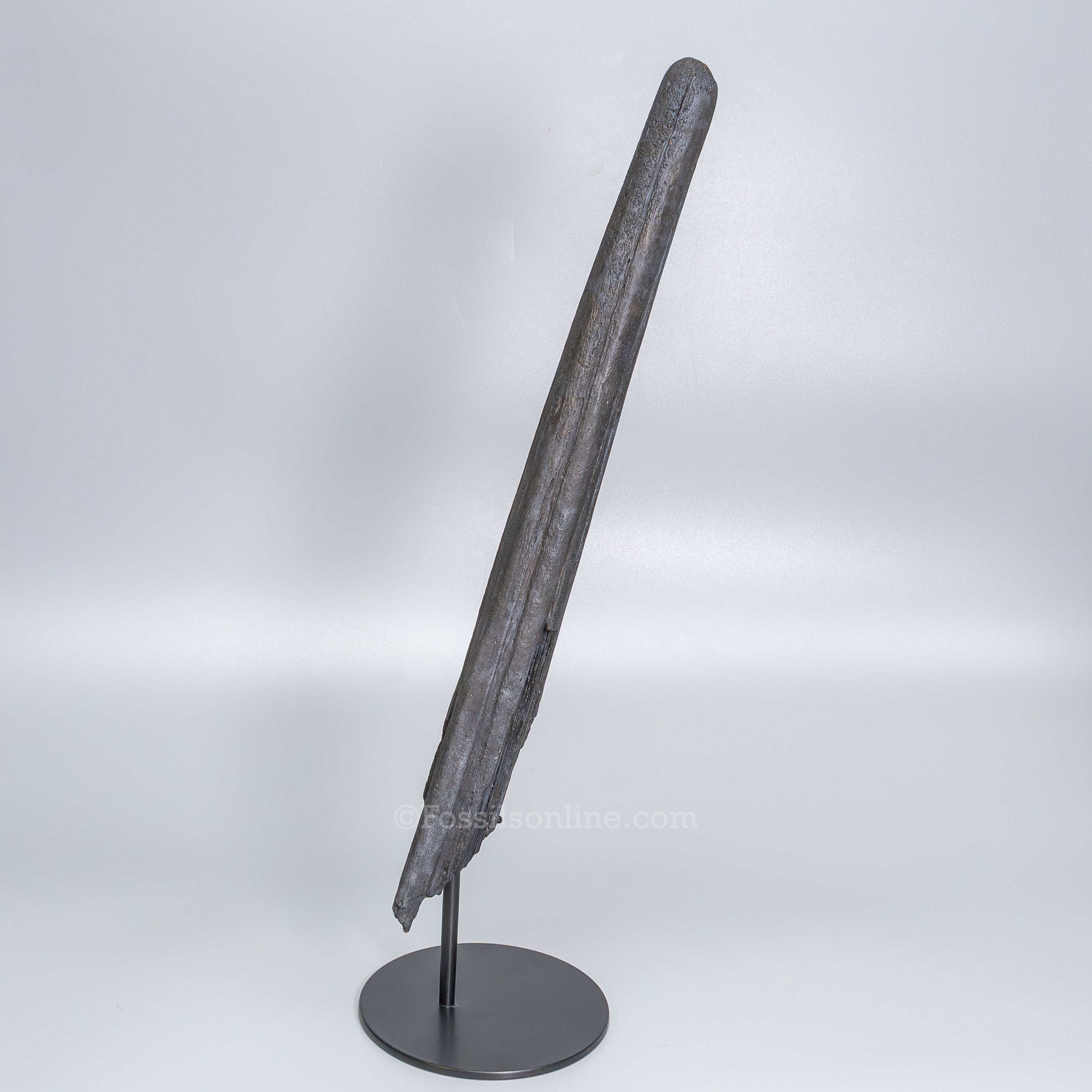
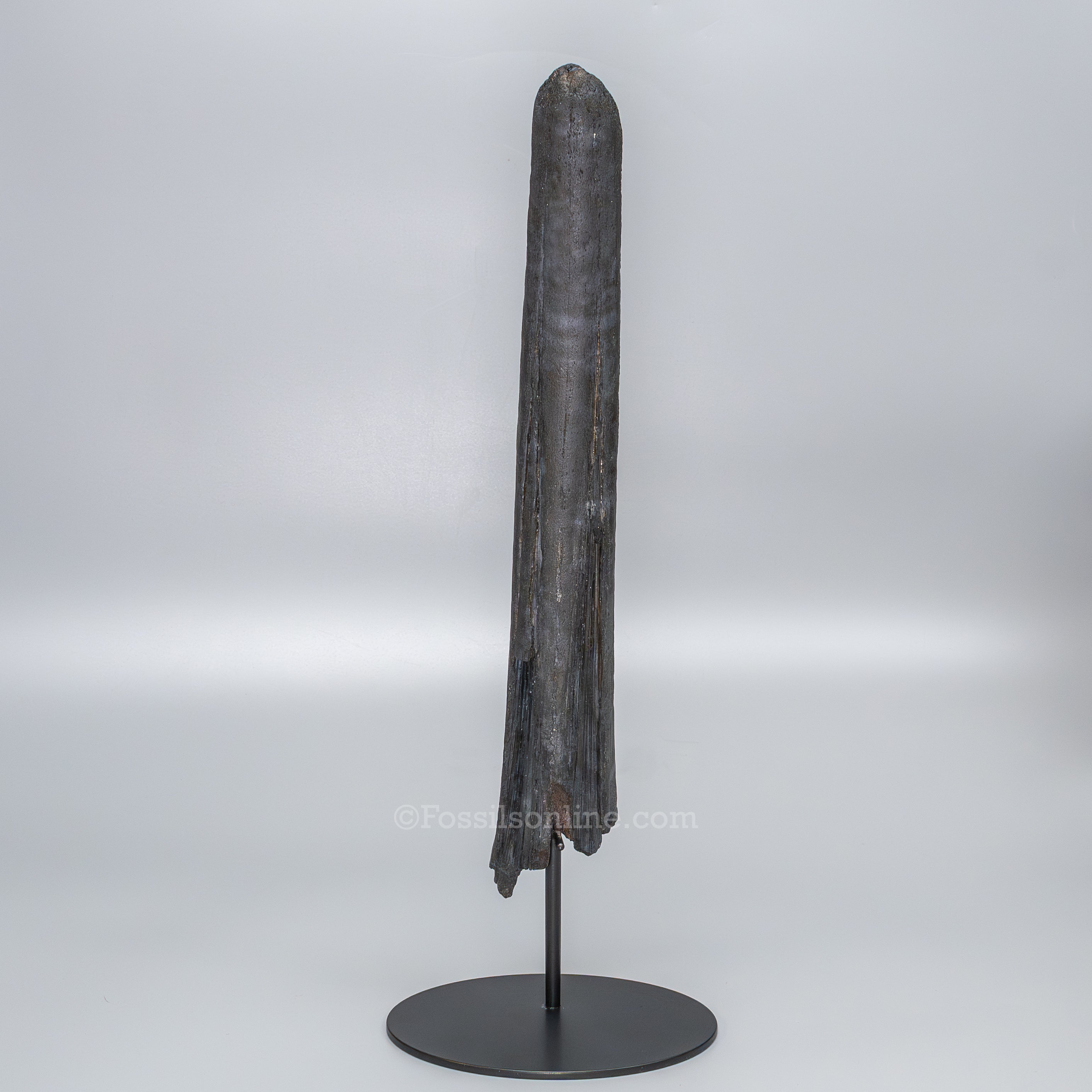
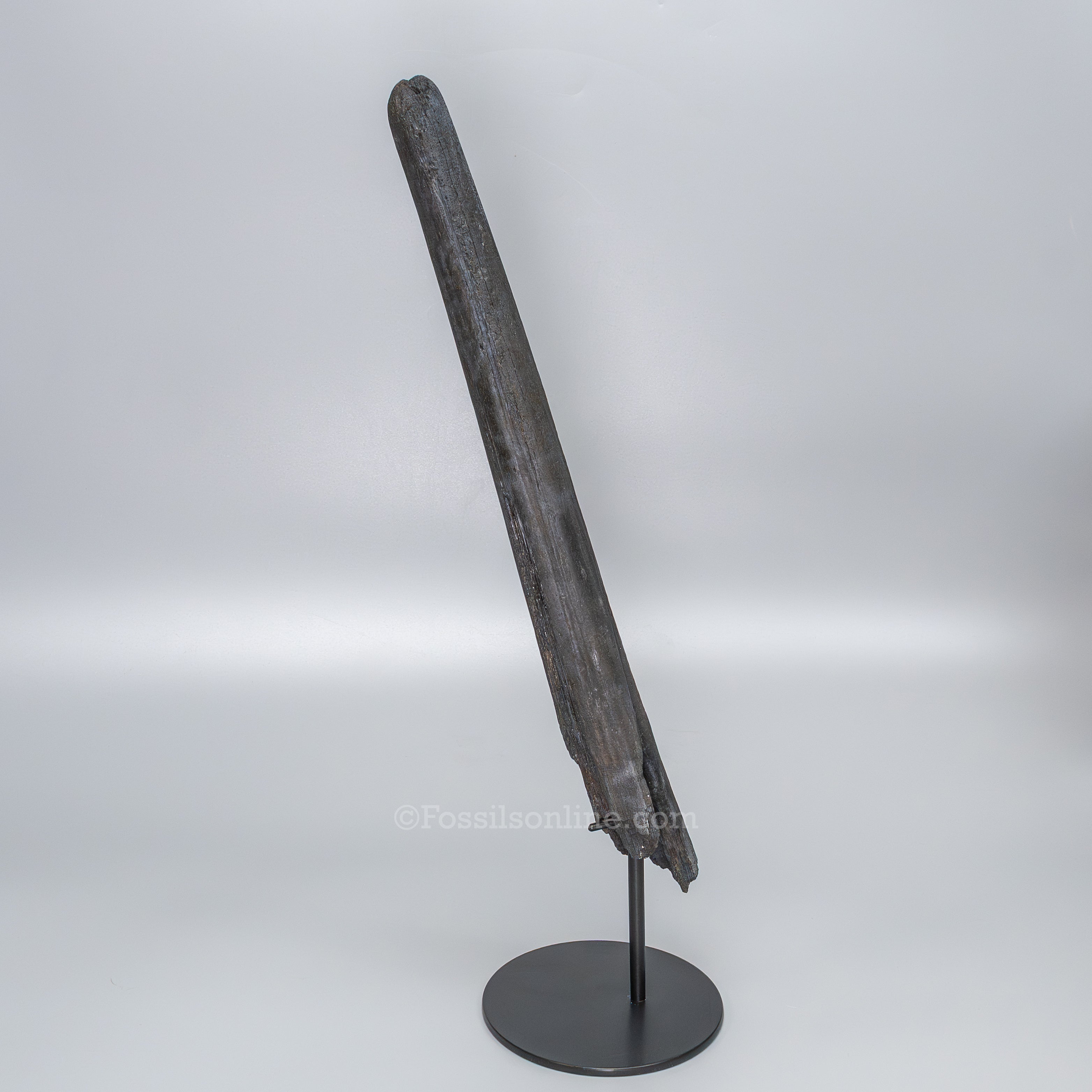
Heavily mineralized and solid bill from a Billfish on a custom display stand.
Billfish bills from South Carolina are a beautiful link to the open-ocean predators that cruised the ancient Atlantic above what is now the Coastal Plain. These fossils are the preserved upper jaws (rostra) of marlin- and swordfish-type billfish that lived during the Miocene and Pliocene, when warm, shallow seas covered much of the region and shared their waters with sharks like Megalodon. Many of the bills found today come from marine sediments such as the Hawthorn Formation and other coastal units exposed in rivers, pits, and spoil piles across the state.
As living animals, billfish are some of the most impressive predators in the sea. The group includes marlin, sailfish, spearfish, and swordfish—large, fast, pelagic fishes in the families Istiophoridae and Xiphiidae, collectively known as billfish. They are characterized by their long, spear-like upper jaw (the bill or rostrum), powerful streamlined bodies, and tall dorsal fins, and many species can grow over 3 meters (10 feet) in length. Billfish are highly migratory and roam the open ocean, usually in tropical and subtropical waters, although swordfish also range into cooler temperate zones. They are apex or near-apex predators that feed on schooling fish, squid, and other mid-water prey.
The bill itself is not just for show. In life, billfish use their rostrum to slash through dense schools of baitfish, stunning or injuring multiple prey items in a single pass before circling back to swallow them whole. The swordfish has a long, flat, blade-like bill, while marlin and sailfish have more rounded, spear-like rostra—details that can sometimes be recognized even in fossil fragments. These adaptations, combined with an efficient, torpedo-shaped body, make billfish among the fastest fishes ever recorded, with some species capable of astonishing bursts of speed as they strike.
In South Carolina’s fossil record, billfish bills are known from Oligocene through Miocene and younger marine deposits, particularly the phosphatic sands and limestones around the Charleston area and other parts of the Coastal Plain. These horizons have produced a surprising diversity of fossil billfish, including named fossil forms and rostra tentatively referred to extinct genera such as Xiphiorhynchus as well as marlin-like species such as Makaira calvertensis. Many of the bills collectors find today wash out alongside shark teeth in river gravels or are recovered from spoil piles and pit walls where ancient offshore sediments have been brought to the surface.
Despite South Carolina’s rich marine fossil beds, complete and well-preserved billfish rostra are genuinely uncommon. Unlike shark teeth—tiny, ultra-hard enamel structures that fossilize in huge numbers—the rostrum is a long, relatively slender extension of bone and dentine. It is easily broken before or during burial, and large sections can be destroyed by currents, scavengers, or modern dredging and mining activity. The specific environments that preserve them—nearshore marine sands, phosphatic beds, and channel lag deposits—tend to be patchy and are only accessible in limited windows of time when rivers are low or pits are actively worked.
That combination of impressive animal and challenging preservation is exactly why South Carolina billfish bills are so appealing to collectors. Each rostrum section represents a fast-moving hunter that once patrolled the same ancient seas as Megalodon, fossil whales, and giant rays. The cross-section often shows a dense, fibrous internal structure, and external surfaces may retain grooves and texture where blood vessels and sensory tissues once ran along the living bill. In hand, they are surprisingly solid and heavy for their size, giving them a presence that photographs rarely capture.
From an educational standpoint, a billfish bill fossil is a perfect piece to explain open-ocean food webs and adaptation. It lets you talk about how these animals used speed and precision rather than huge teeth; how the Atlantic Coastal Plain was once covered by warm, blue water; and how specialized predators leave behind very different fossil traces than bottom-dwelling animals or sharks. For display, a South Carolina billfish rostrum pairs beautifully with shark teeth, whale bone, and other marine fossils from the same deposits, creating a miniature snapshot of the prehistoric Atlantic.
Whether you’re a serious fossil collector, a sport fisherman with a passion for pelagic gamefish, or simply someone who loves unusual natural history pieces, a fossil billfish bill from South Carolina is a striking and conversation-worthy specimen—part weapon, part history, and a direct connection to the high-speed hunters of the Miocene sea.
LOCATION
South Carolina River
Size
14.25"
Choose options