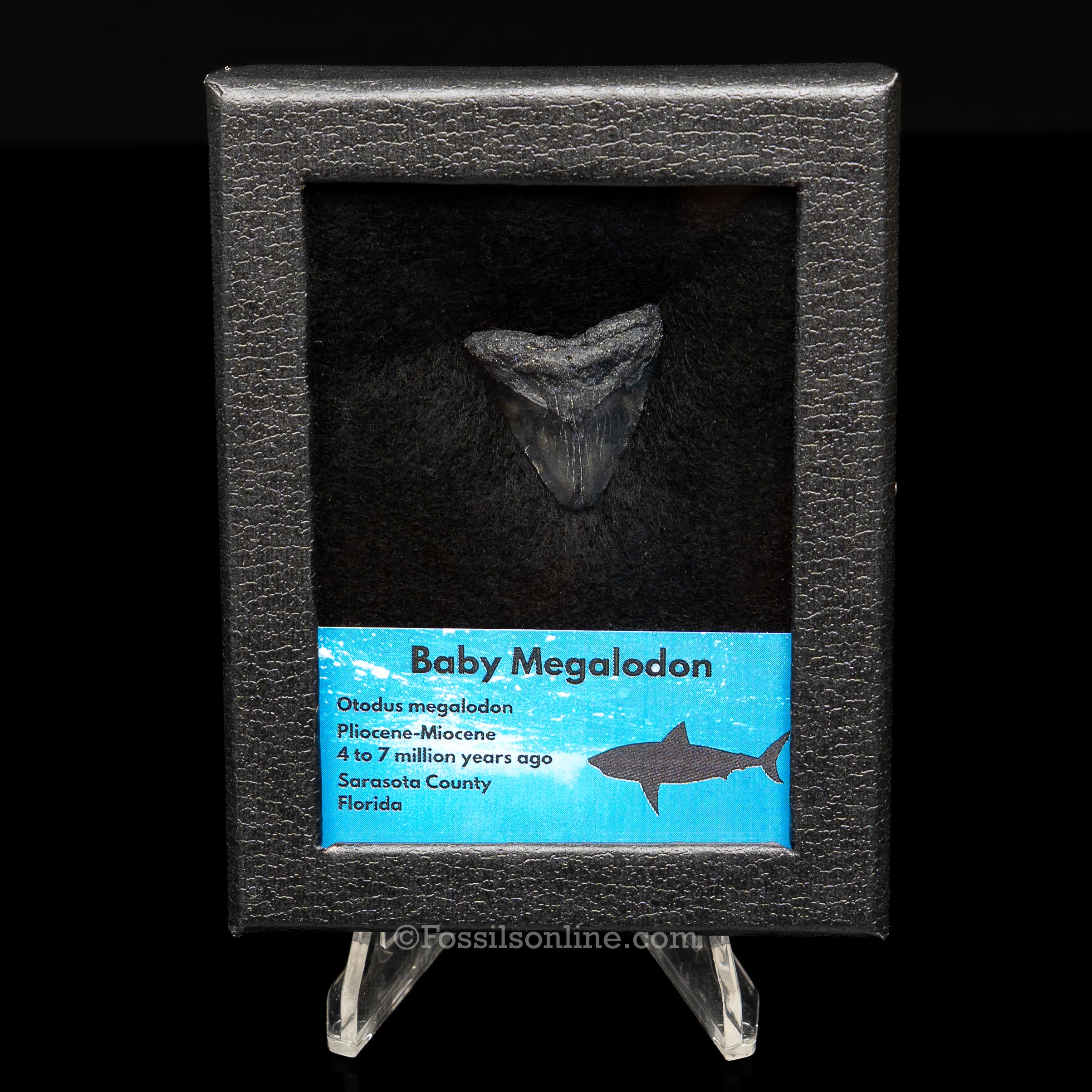
Baby Megalodon Sm Case
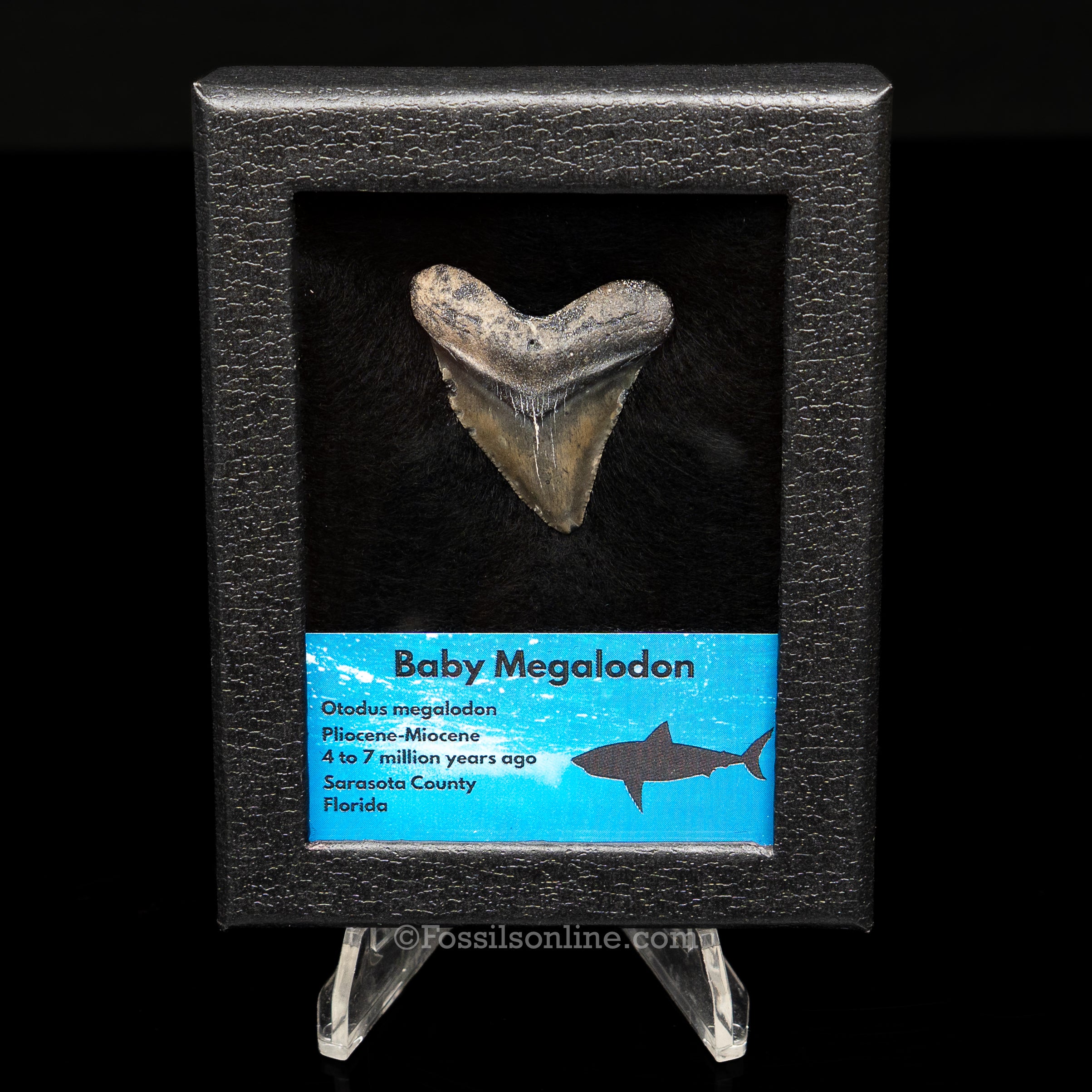
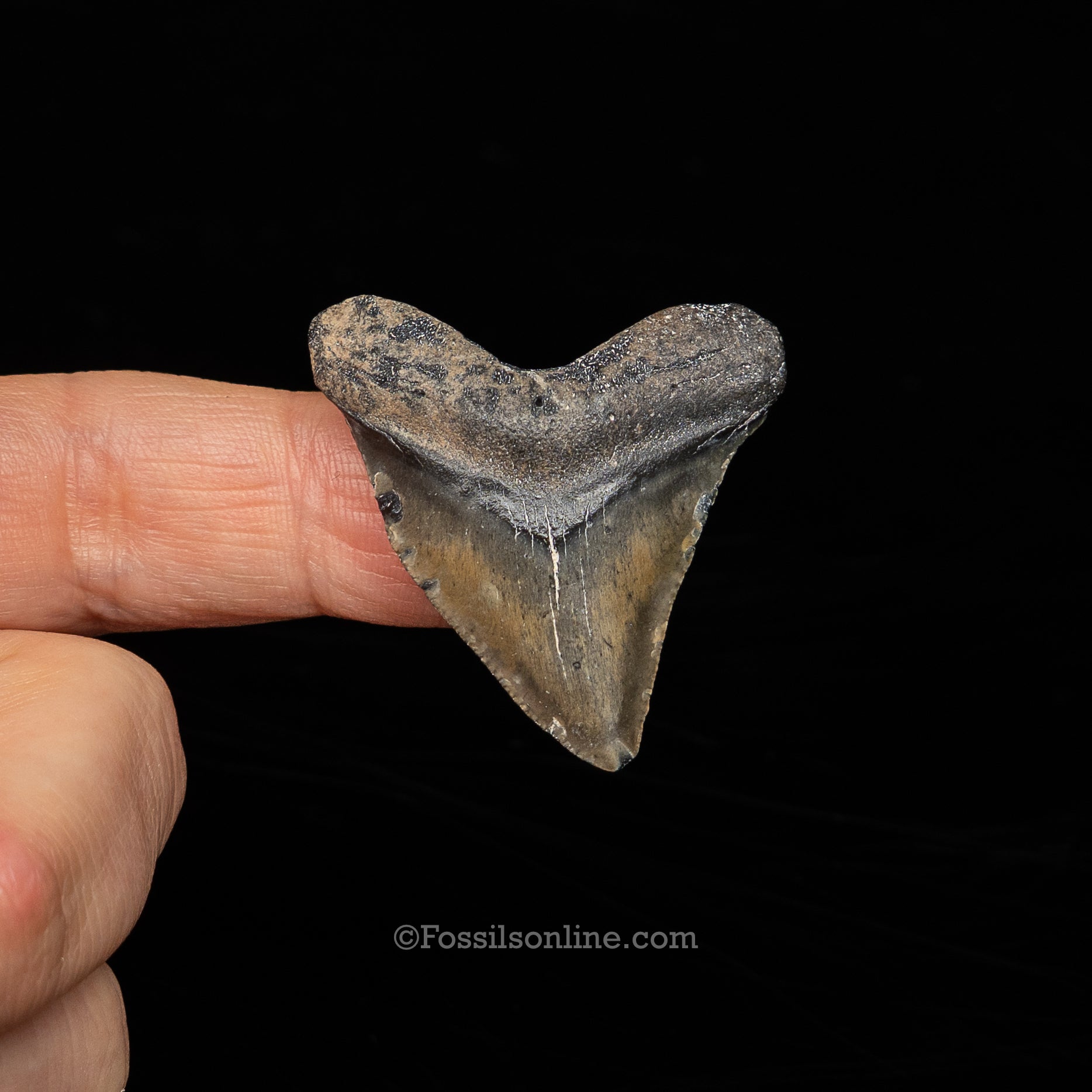
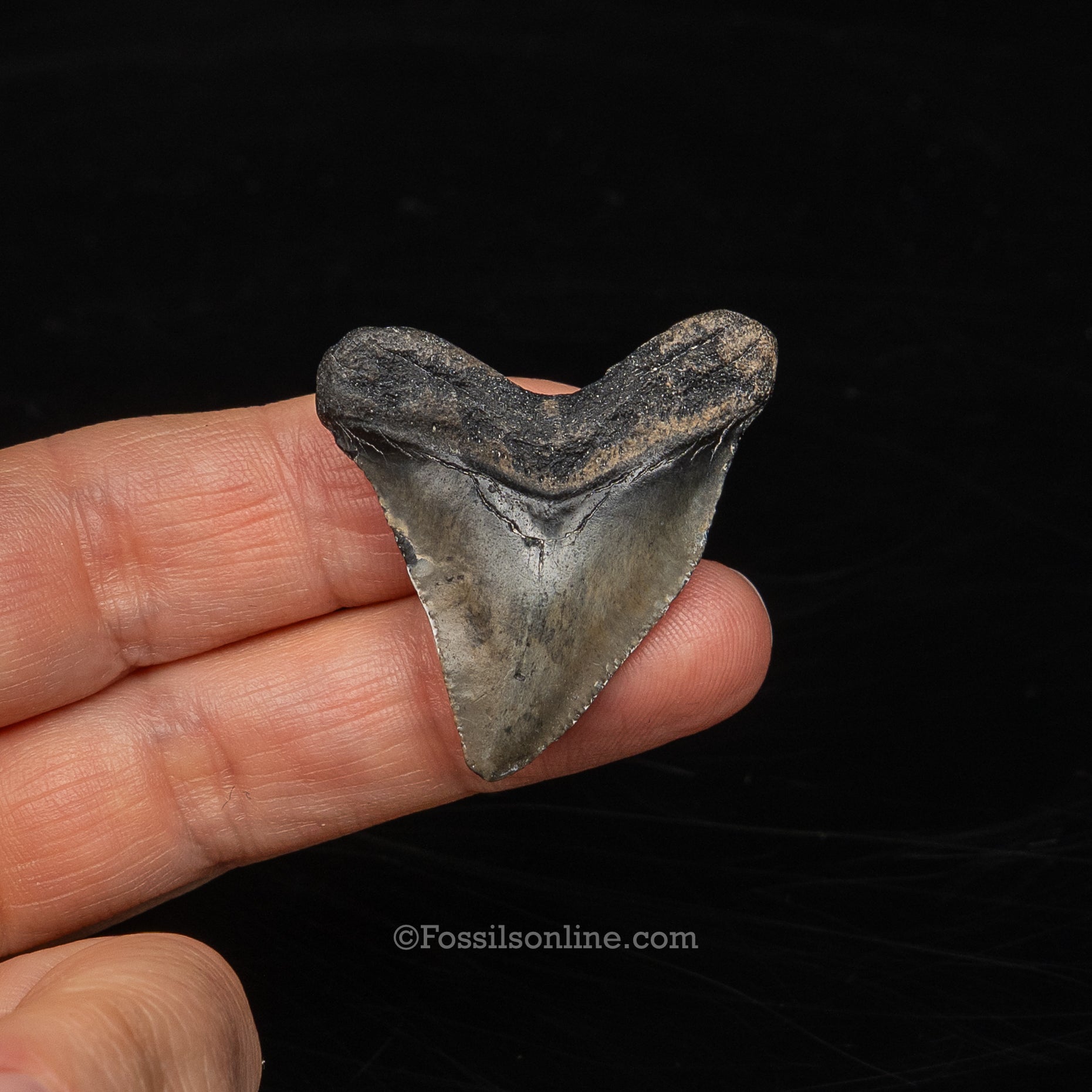
Rare baby Megalodon teeth from Sarasota County, Florida, displayed in a 3x4 case and priced by size and quality. Each one is a genuine fossil from a juvenile shark—an affordable and uncommon way to own a piece of one of the most formidable predators that ever lived.
BA-1.5"
BB-1.11
Megalodon teeth from Sarasota County, FL
Sarasota County sits at the heart of Florida's Gulf Coast fossil zone, and its waters and beaches are part of the same ancient marine system that makes this stretch of southwest Florida one of the best places in the world to find Megalodon teeth. Just offshore, Miocene and Pliocene sediments rest beneath a broad, shallow Gulf shelf—the same warm, productive coastal seas where Megalodon once hunted whales and large marine mammals millions of years ago. As those animals died and sediments accumulated on the seafloor, teeth were buried, mineralized, and preserved.
Over time, shifting sea levels, storm surges, and longshore currents have reworked those fossil-bearing layers, concentrating teeth in natural low spots, shell beds, and offshore ledges. Modern beach renourishment projects, dredging operations, and everyday wave action pull fossils out of those ancient deposits and deliver them to Sarasota County's beaches and nearshore shallows. Divers working the Gulf bottom, boaters exploring the nearshore zone, and beachcombers walking the surf line all tap into the same deep source. That's why Megalodon teeth found along Sarasota County's coastline—from Nokomis Beach north through Siesta Key and beyond—trace back to the same offshore Miocene and Pliocene formations that fuel Venice to the south.
Why Sarasota County Megalodon teeth are so sought after
Megalodon teeth from Sarasota County carry the appeal of a world-class fossil destination combined with one of Florida's most beautiful stretches of Gulf Coast. Collectors seek them out for several reasons:
Part of the Shark Tooth Capital region – Sarasota County borders Venice directly to the north, and its beaches share the same fossil-rich offshore deposits. Teeth found here are part of the same legendary Gulf Coast fossil system that draws hunters from around the world.
A fossil you can find yourself – Sarasota County's beaches, especially around Nokomis and the southern end of Siesta Key, regularly yield shark teeth to anyone willing to wade the surf and sift the sand. Purchased specimens from this area carry that same spirit of discovery.
Classic Gulf Coast color and character – Like their Venice counterparts, Sarasota County Megalodon teeth develop the rich, phosphate-driven tones—deep blacks, dark chocolates, and smoky charcoals—that Gulf Coast collectors immediately recognize. These are bold, visually striking fossils with a personality all their own.
Strong display presence – Dense, heavily mineralized roots and glossy dark crowns give Sarasota County teeth a commanding look on a stand or in a display case. Even mid-sized specimens feel substantial and impressive in hand.
You're not just getting a Megalodon tooth—you're getting one from a specific stretch of Gulf Coast with its own fossil history, its own beaches, and its own slice of the ancient Florida seafloor.
Size, preservation, and the look of Sarasota County teeth
Sarasota County teeth share much of the same character as Venice-area material, which makes sense given that they come from the same offshore formations and experience the same Gulf energy. Most teeth recovered here fall into the small-to-medium range, shaped by the same forces that influence Venice finds: reworking by waves and currents, shallow nearshore environments that favored sharks of many sizes, and the natural attrition that filters out larger, more fragile specimens before they reach the beach.
Color-wise, Sarasota County teeth run a rich Gulf Coast spectrum. Deep blacks and dark charcoals dominate teeth recovered from phosphate-heavy offshore pockets. Warm chocolate browns, honey tones, and smoky grays appear on teeth that have tumbled through shell beds and sandy nearshore zones. Roots are typically dense and heavy with mineralization, and crowns on better-preserved specimens can retain crisp serrations and clean enamel. As with all Gulf Coast Megalodon teeth, no two are exactly alike—each one reflects its own unique burial history in the sediments off Sarasota County's coast.
Choose options